

SHISO II
July 2025
Location: Vienna, Austria
Principal use: Restaurant
Total floor area: 200 m2
Number of stories: 1
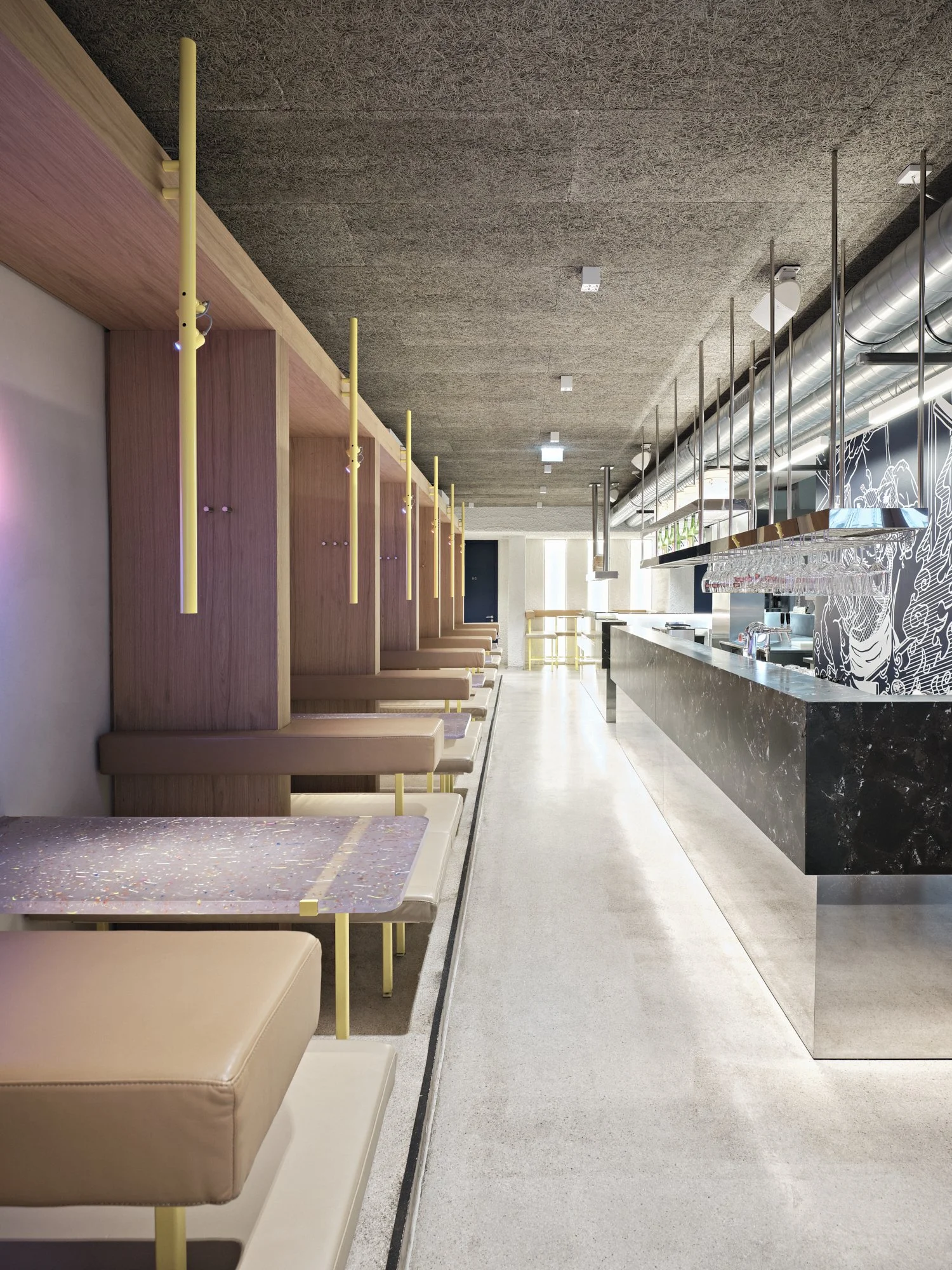
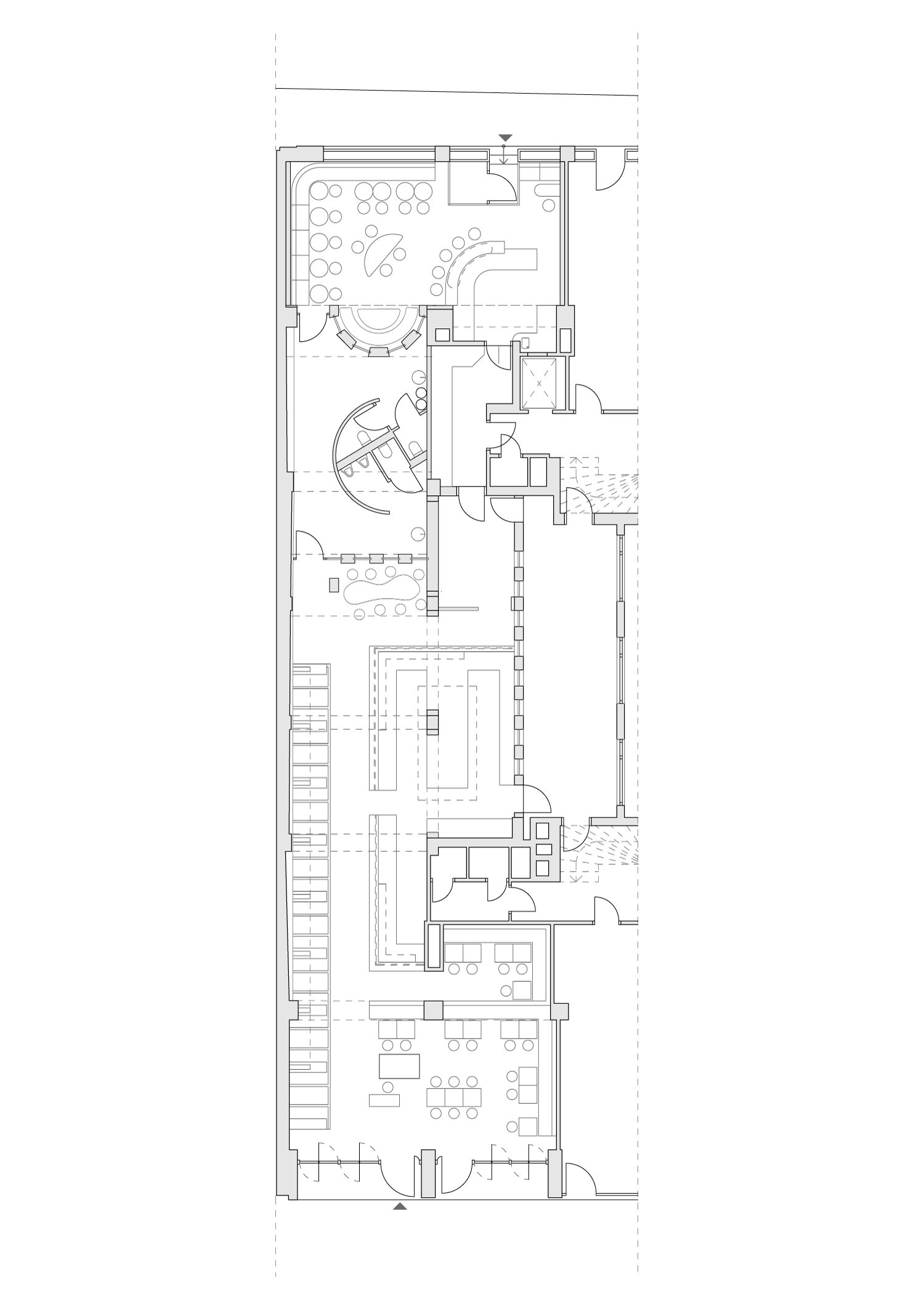
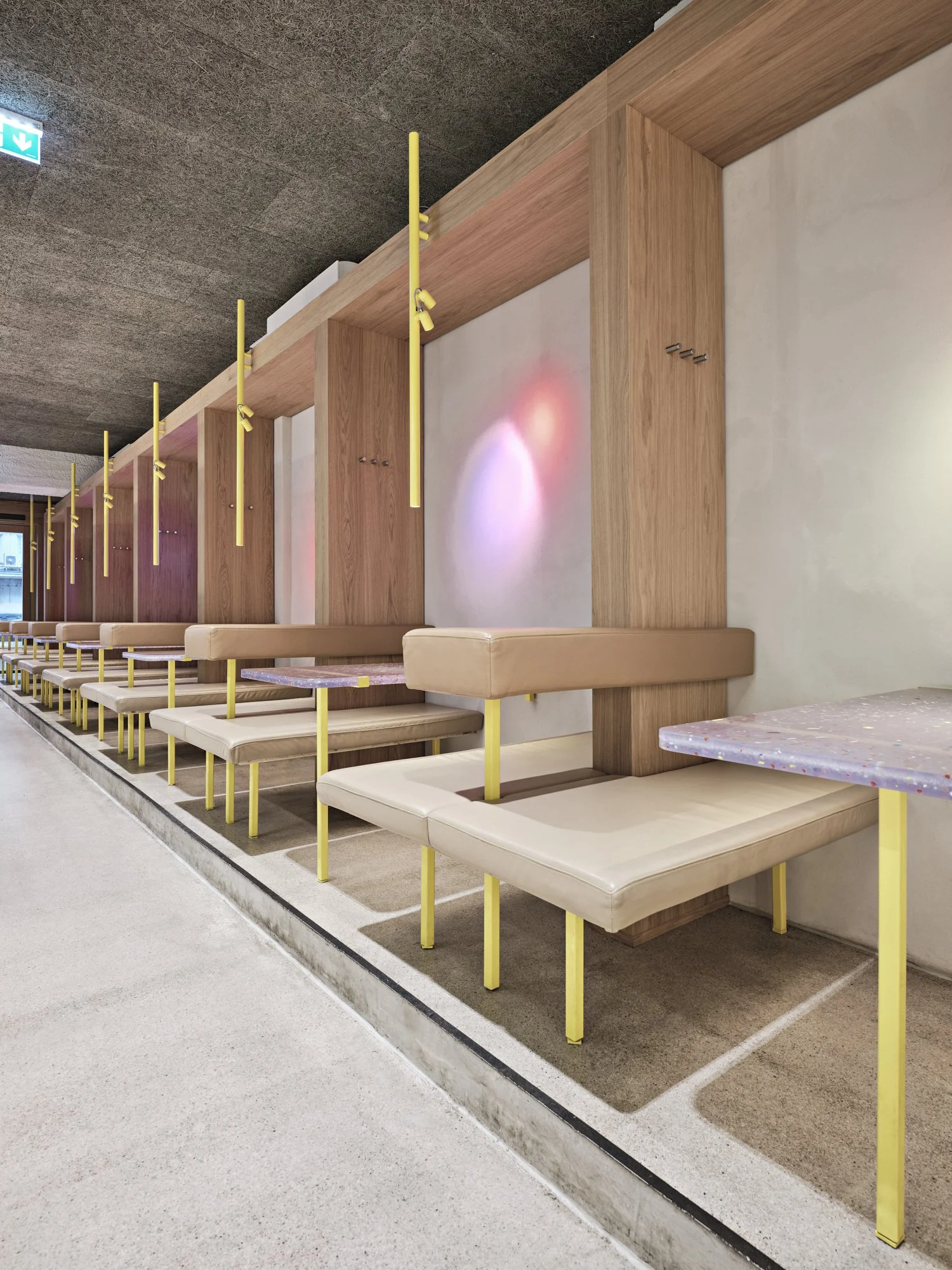
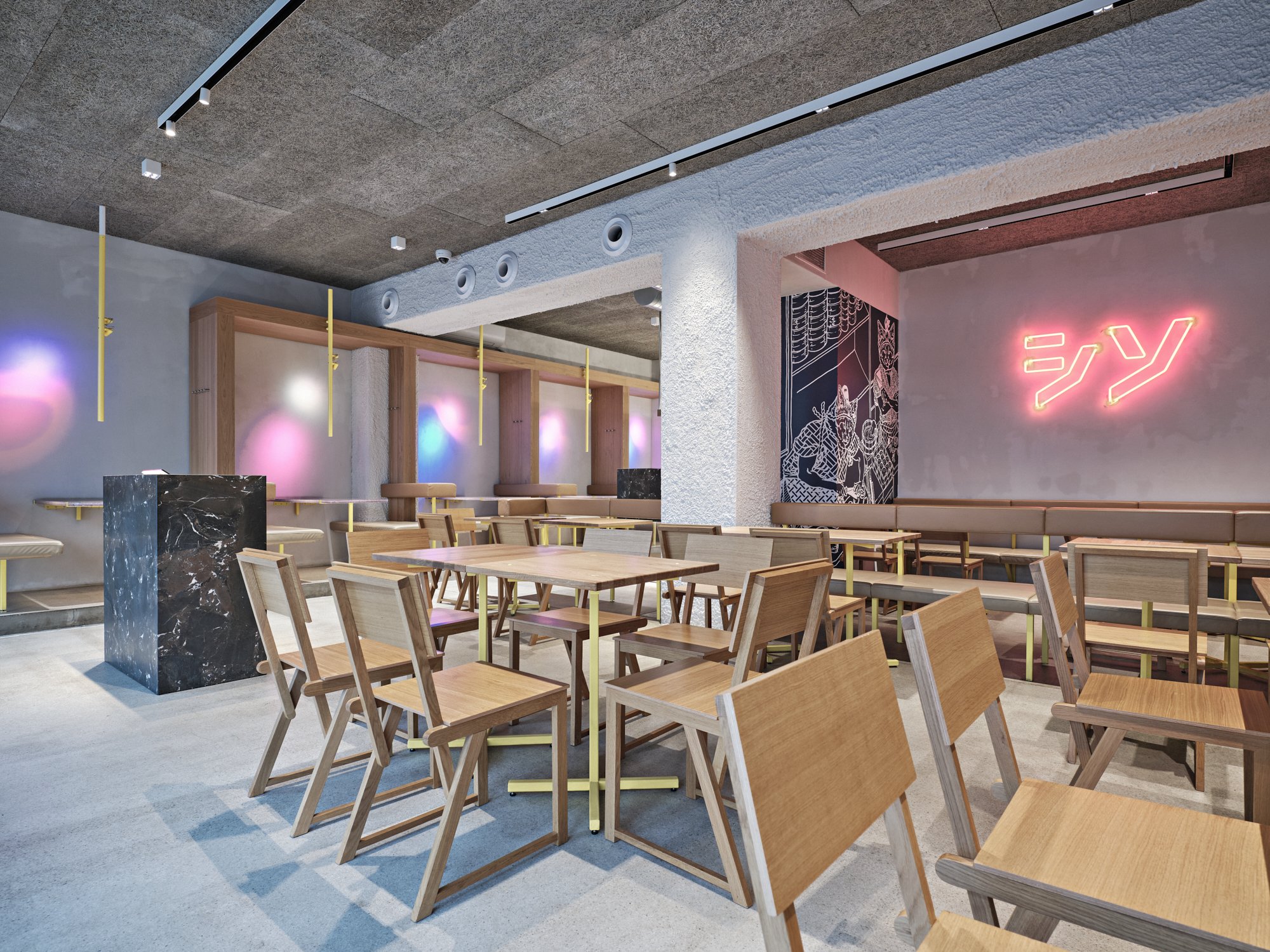
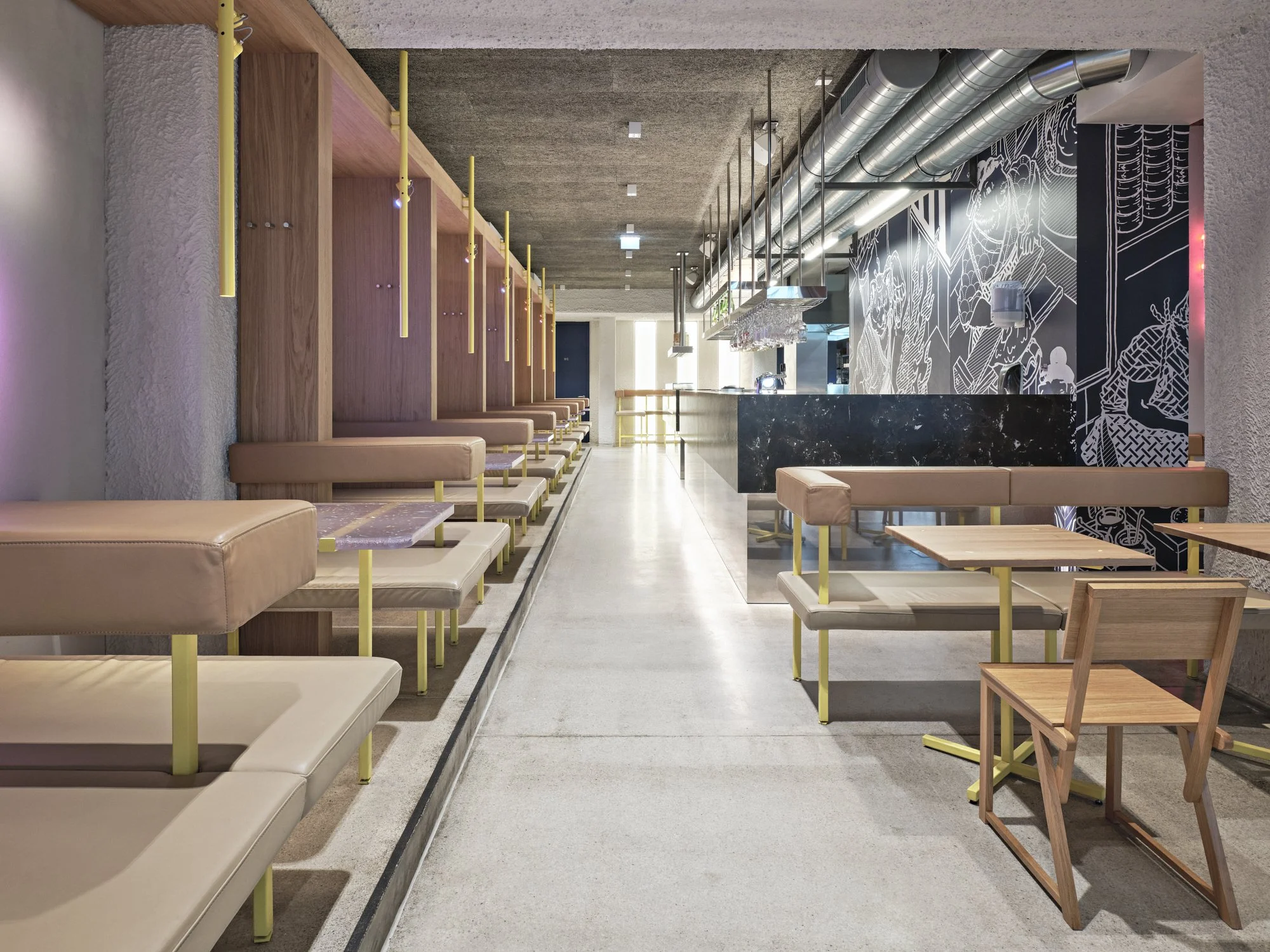
In an attempt to tame the depth of the room, it became immediately clear that the seating elements, the bar, and the kitchen had to act as spatial markers along the long grain of the space.







Design team:
Chieh-shu Tzou
Gregorio S. Lubroth
Menal Batti
Paul Berke
Liliane Herberth
Ondřej Mráz
Leaksmyvattey Sous
Christina Srienz
Photos:
Vilma Pflaum
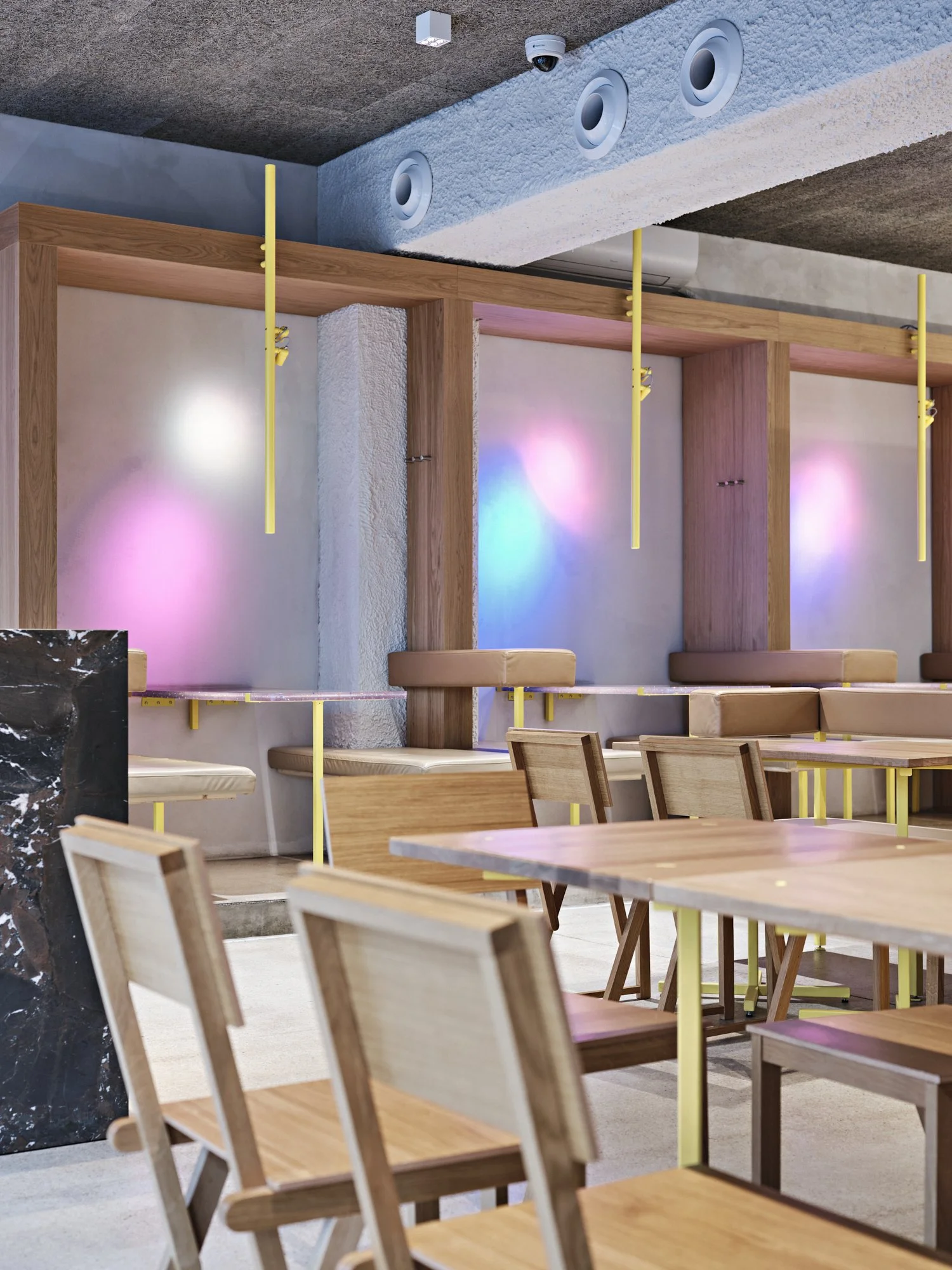
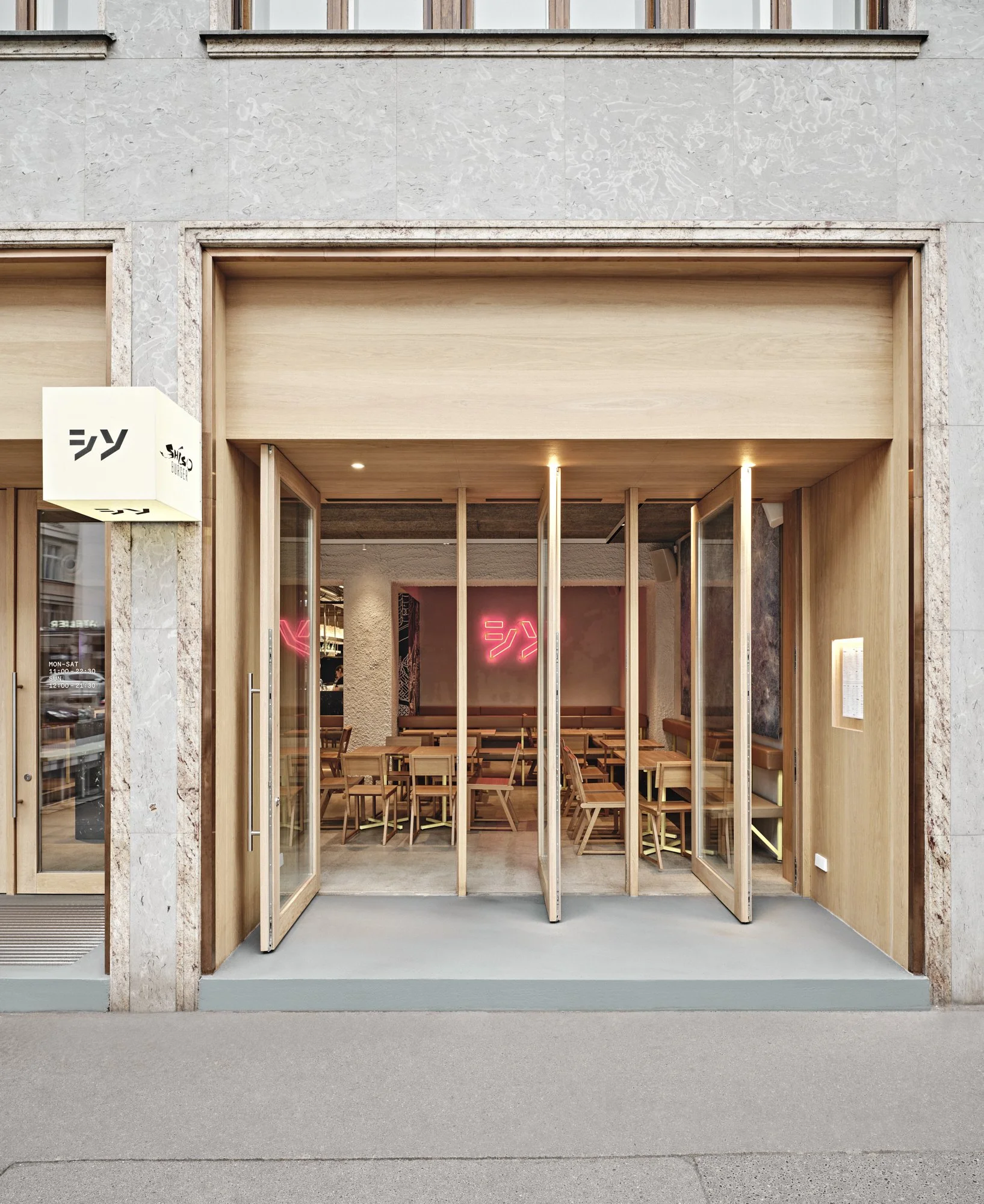
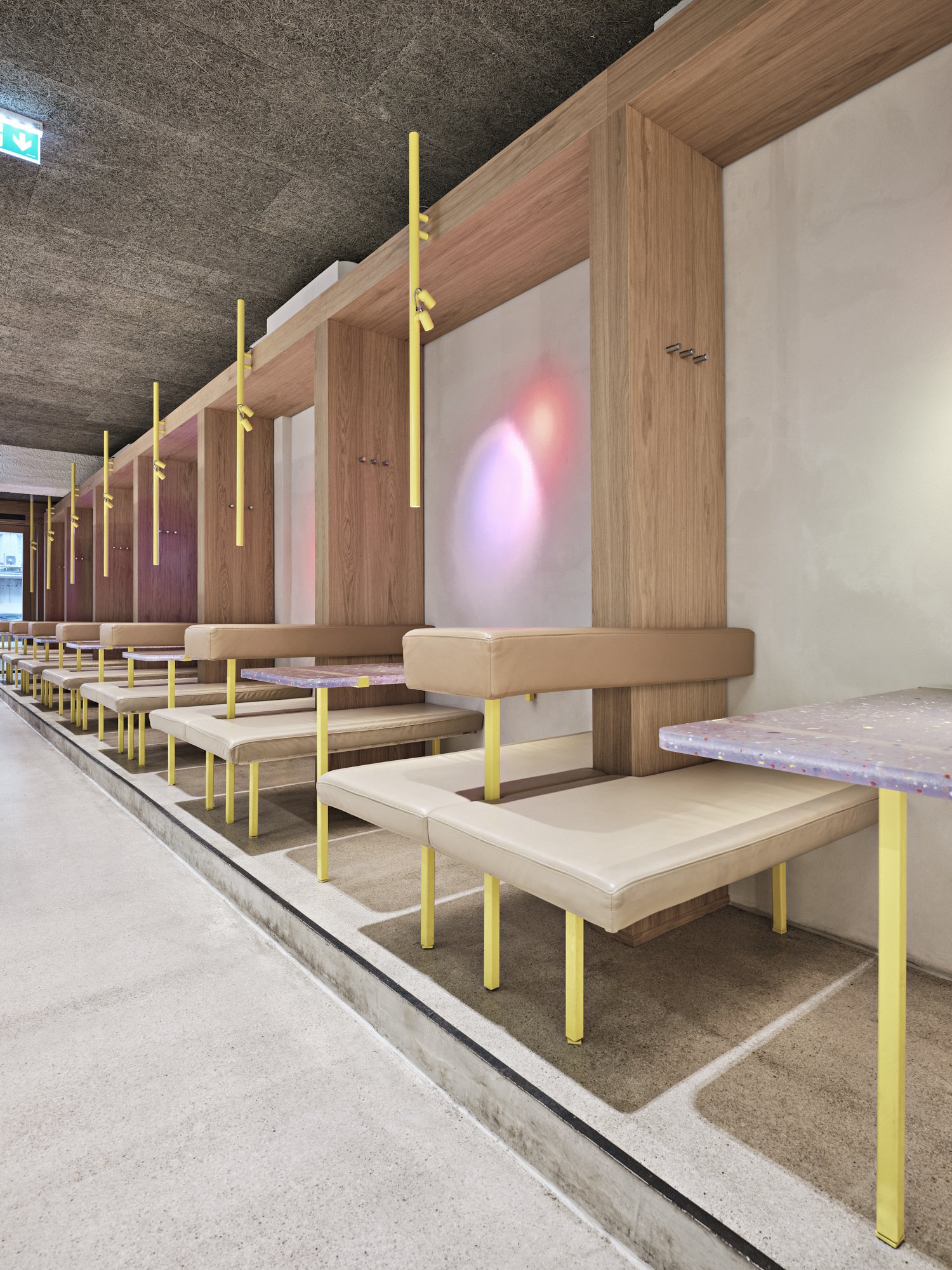
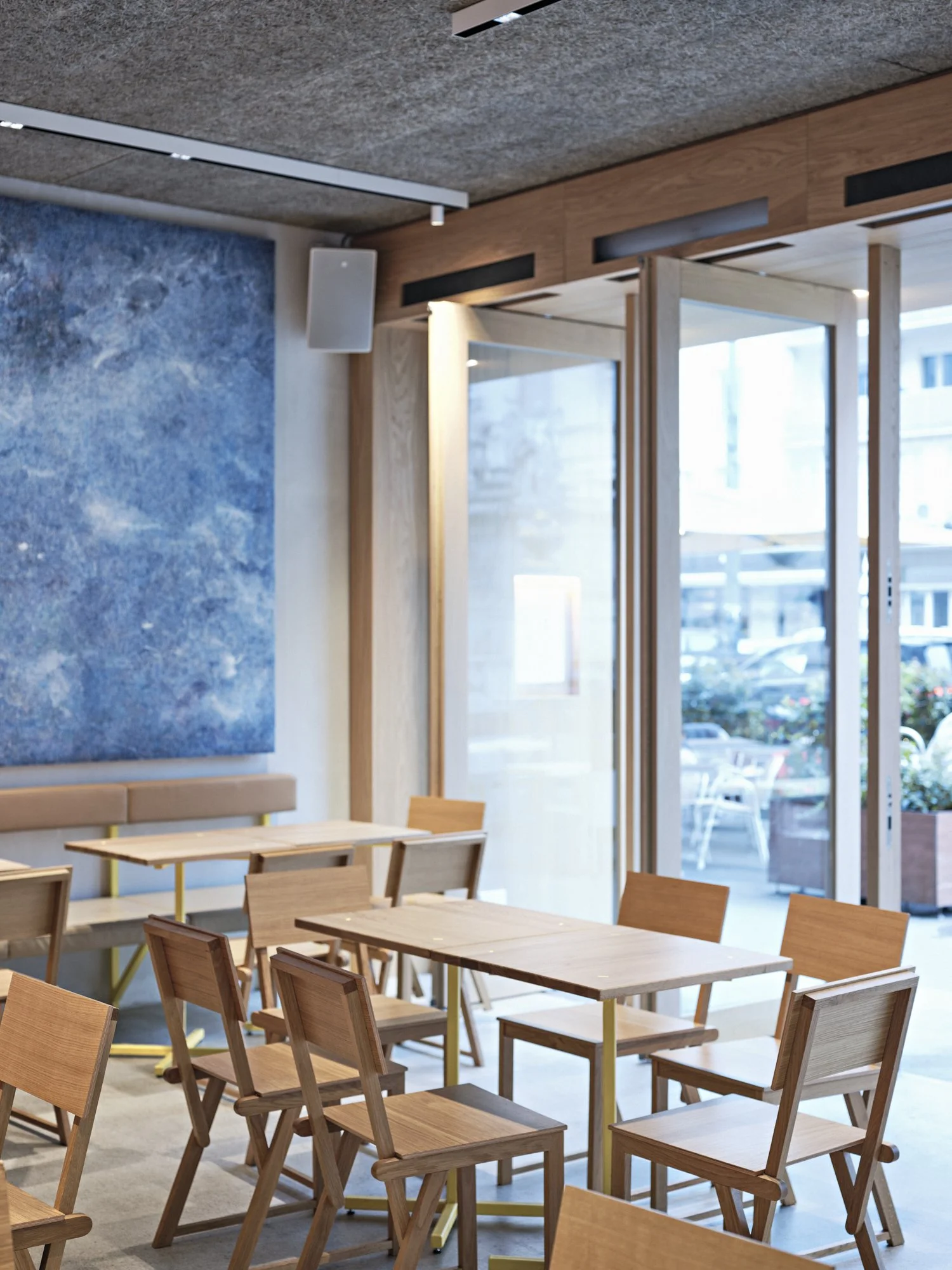
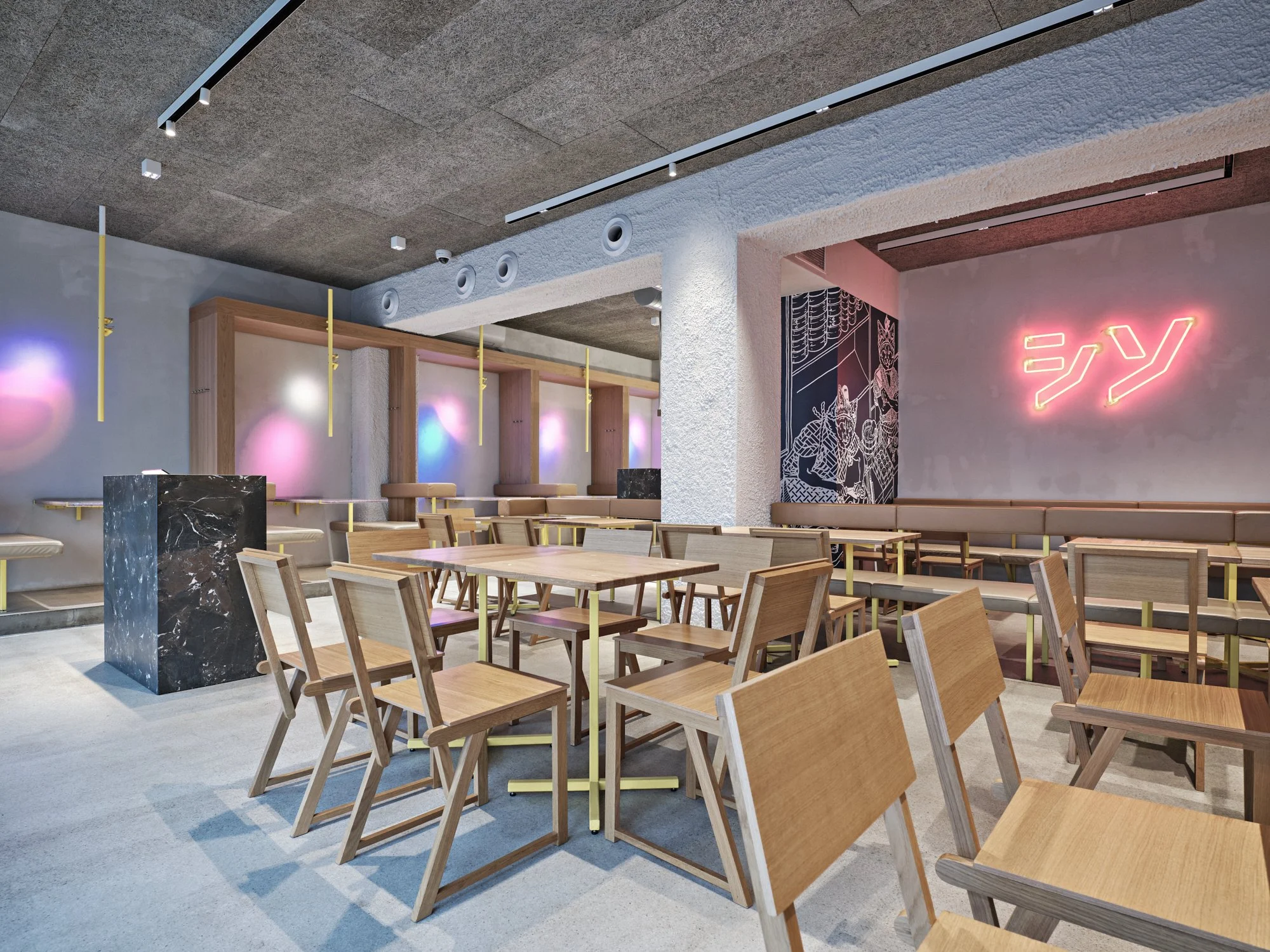
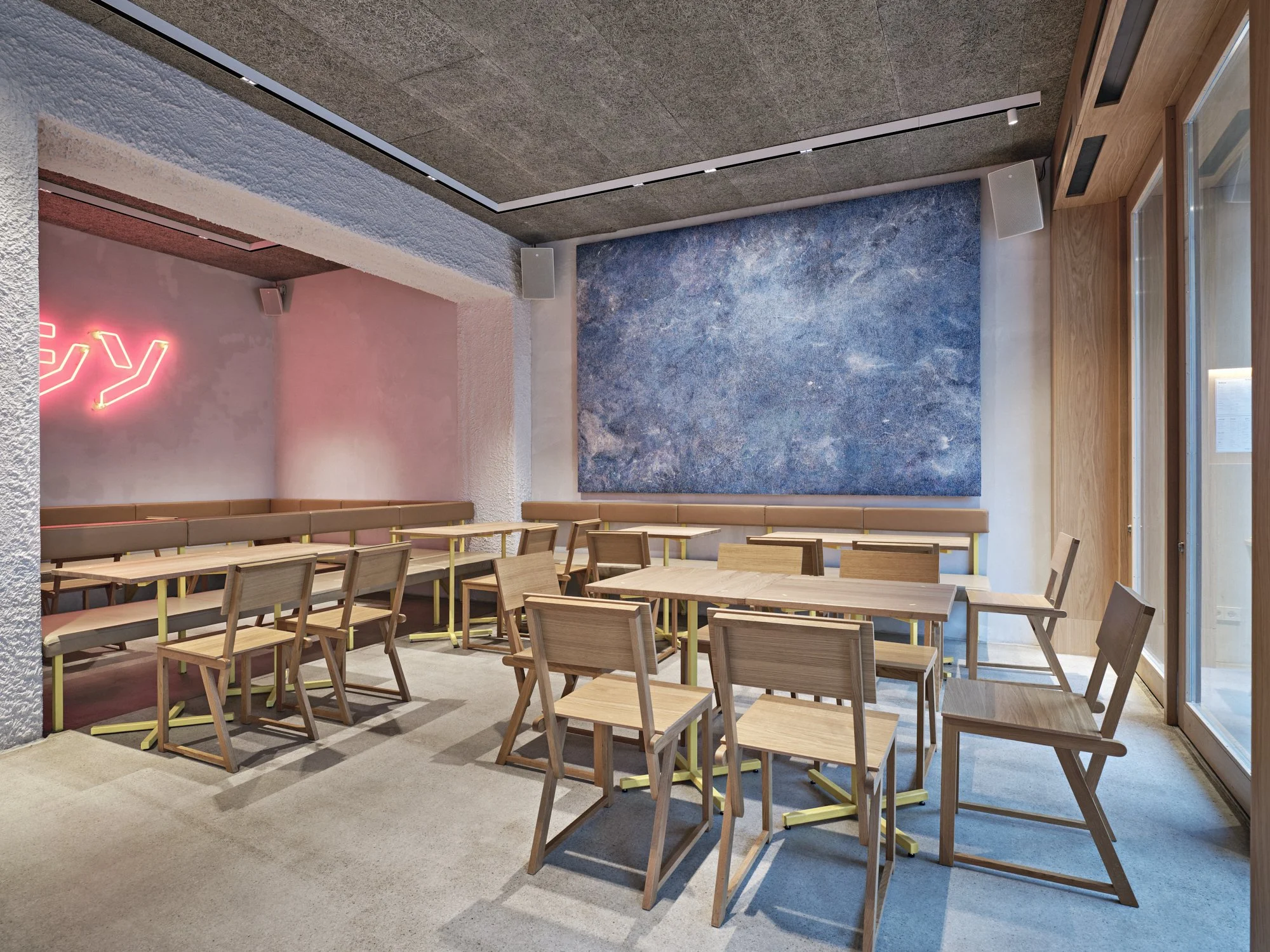
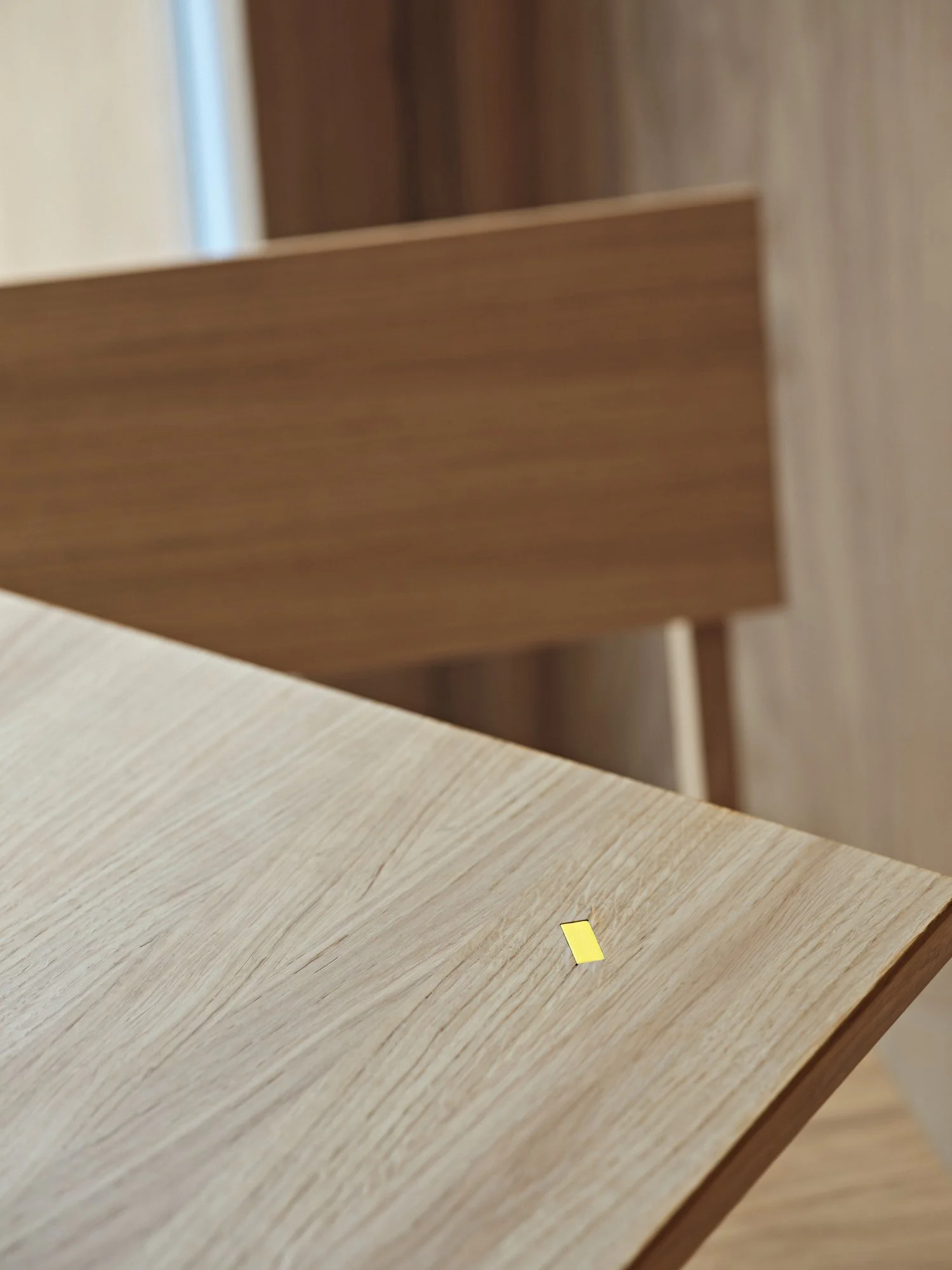
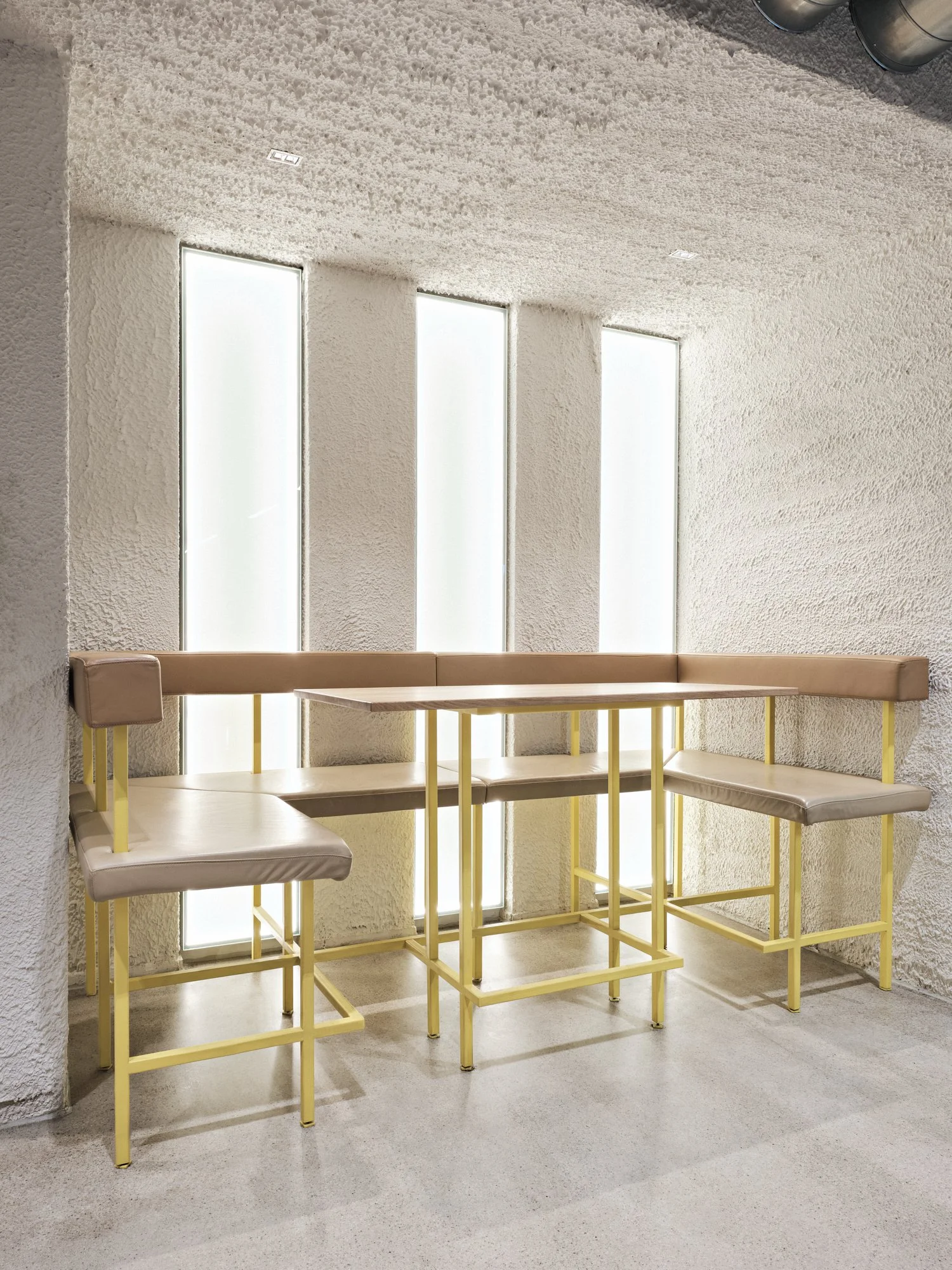
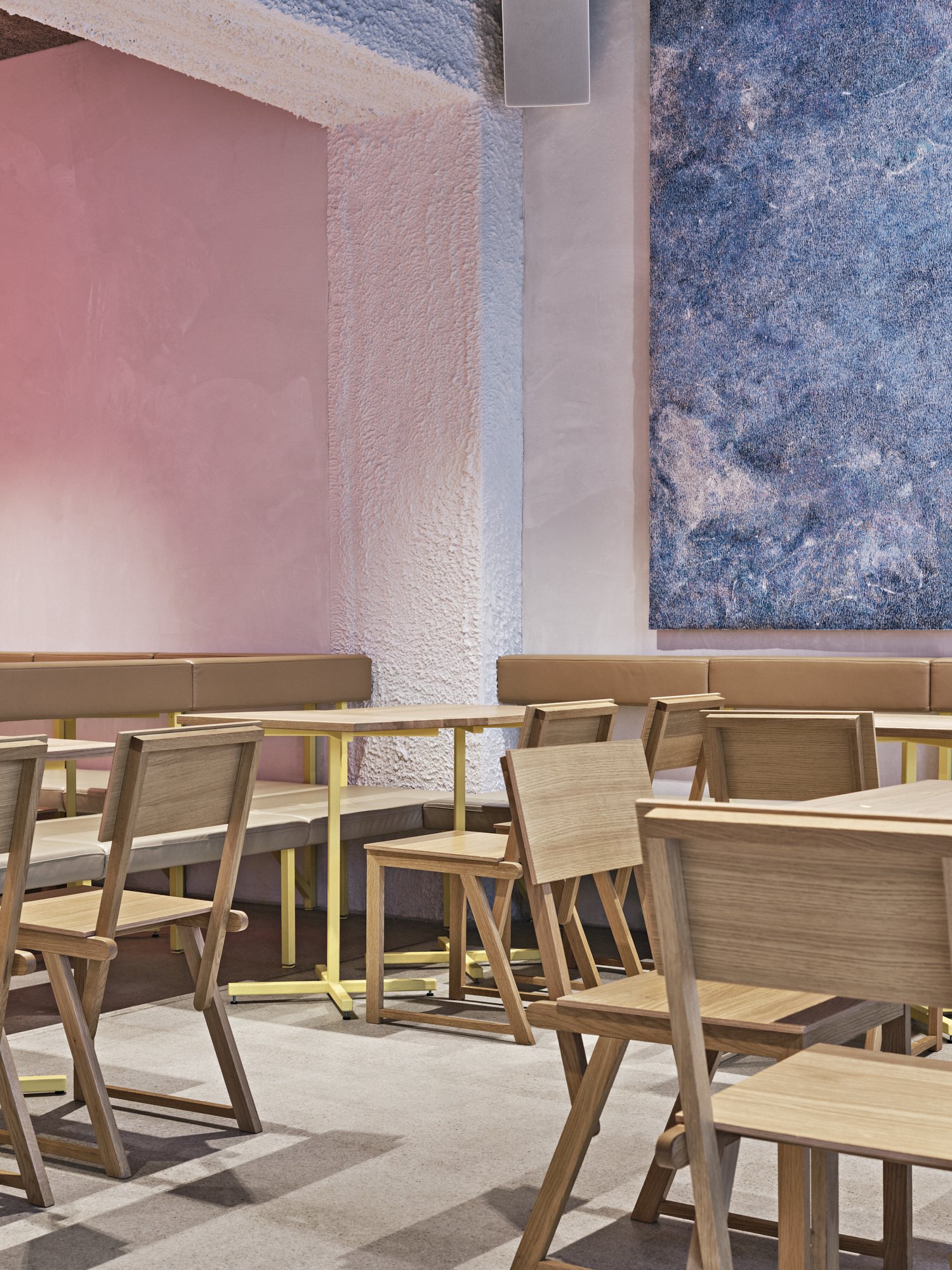
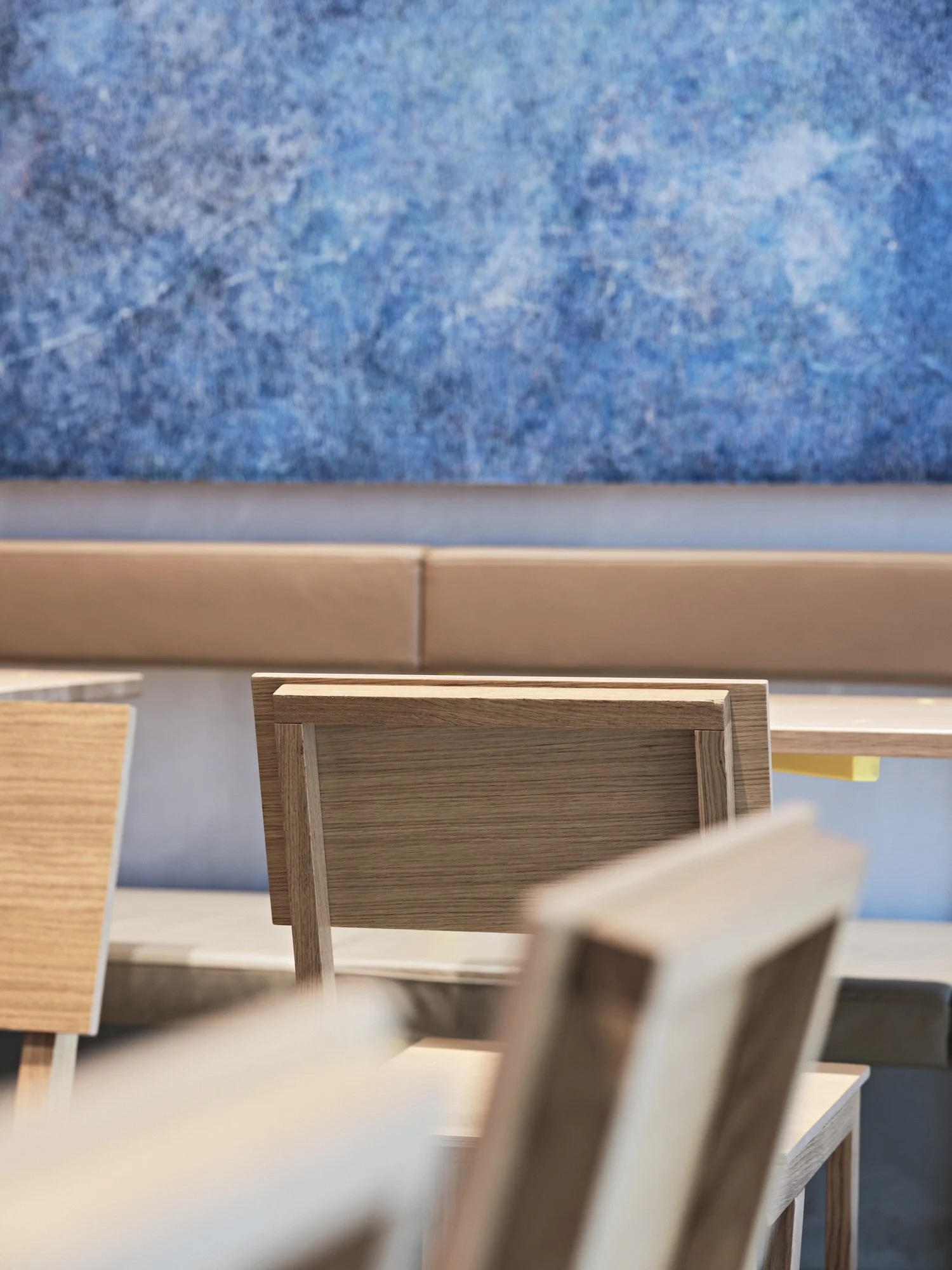
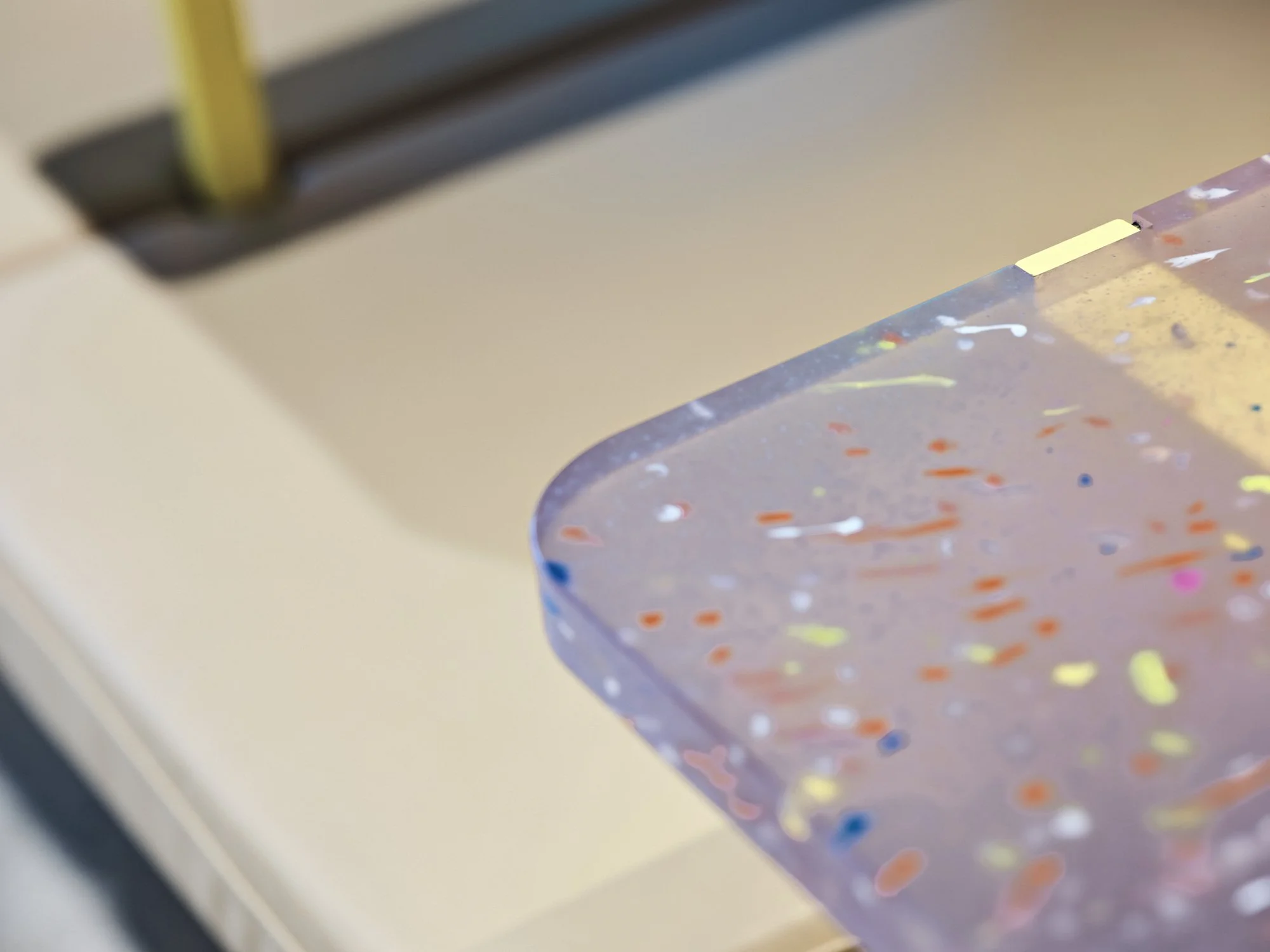
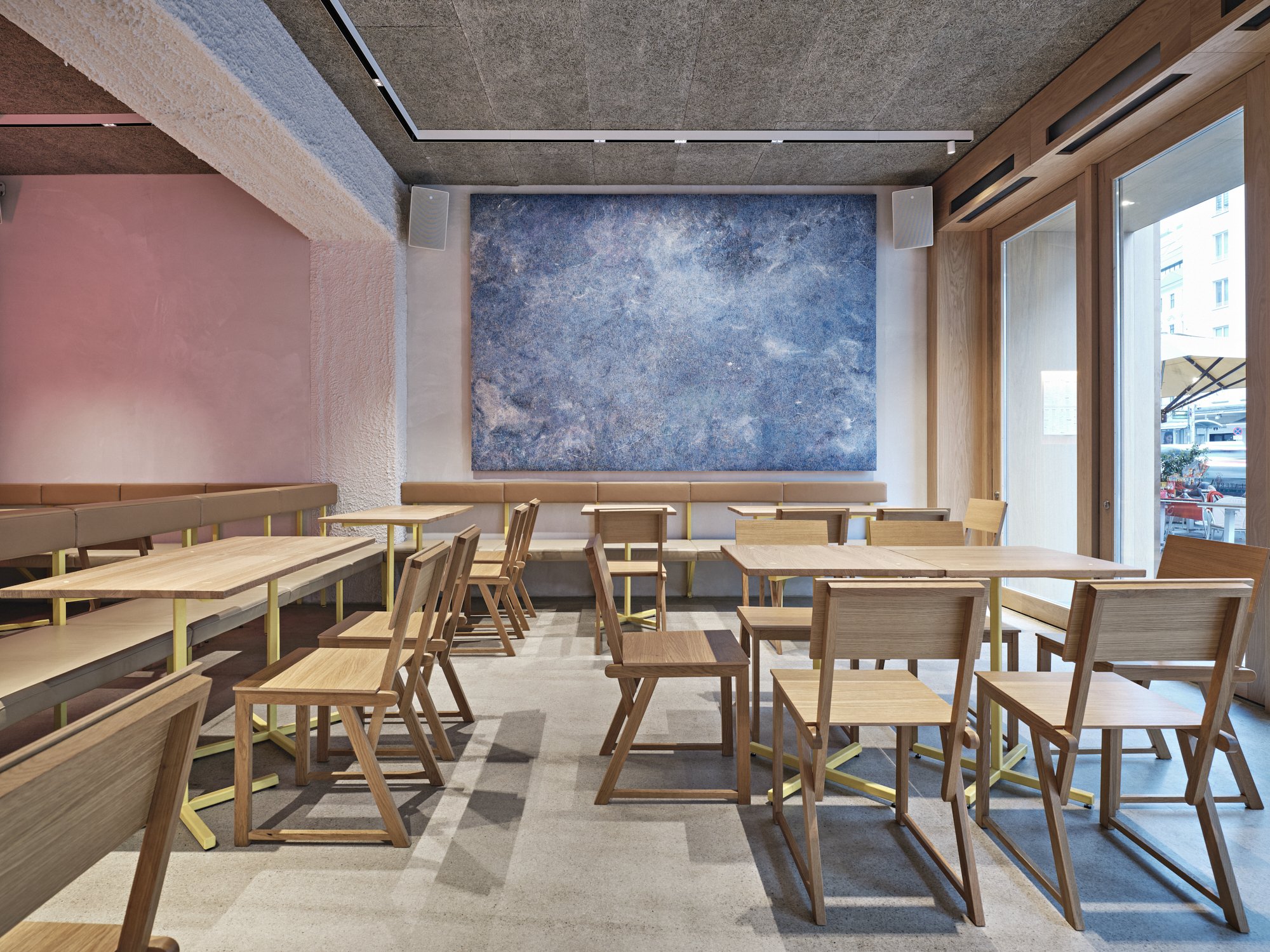
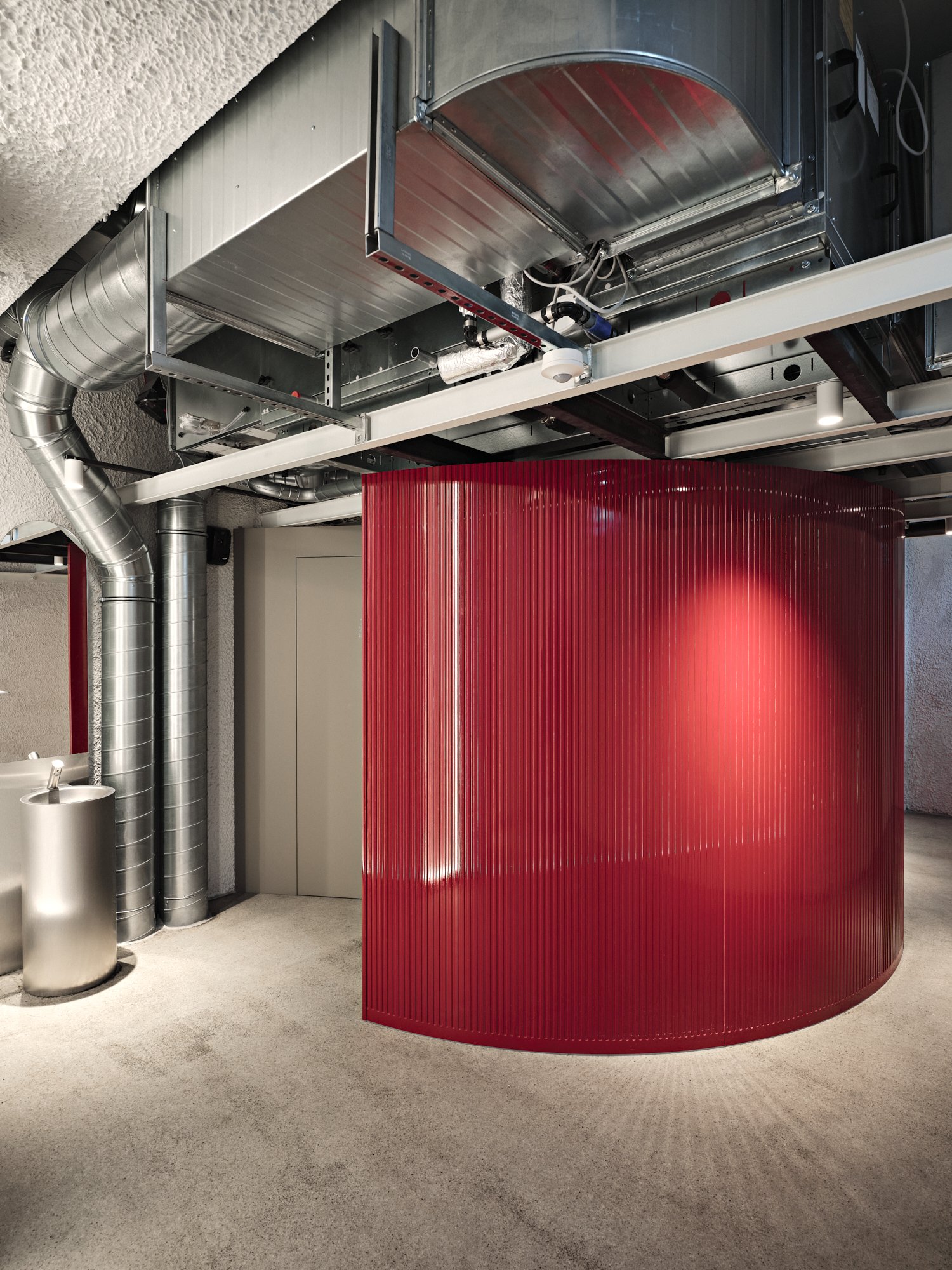
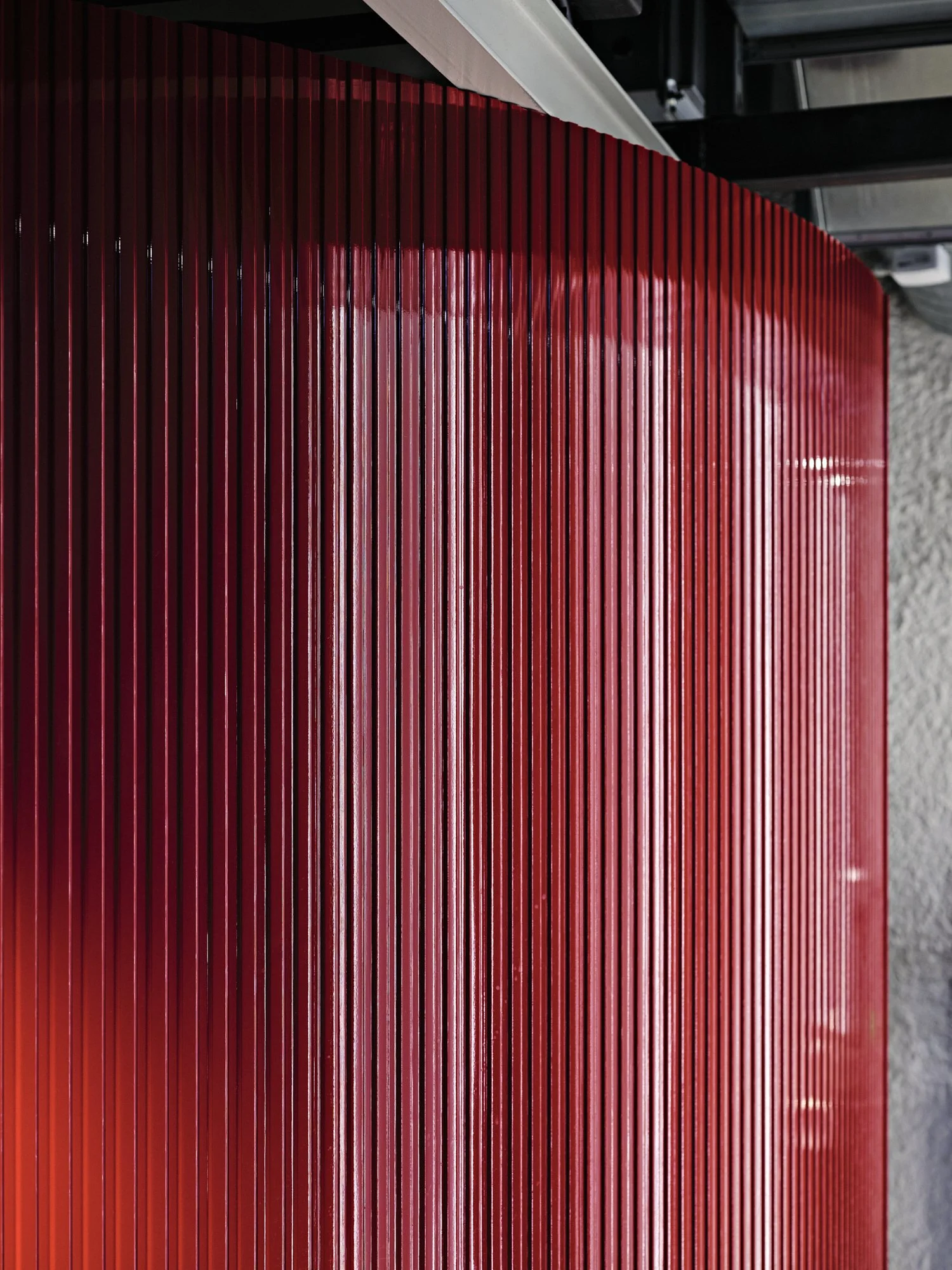
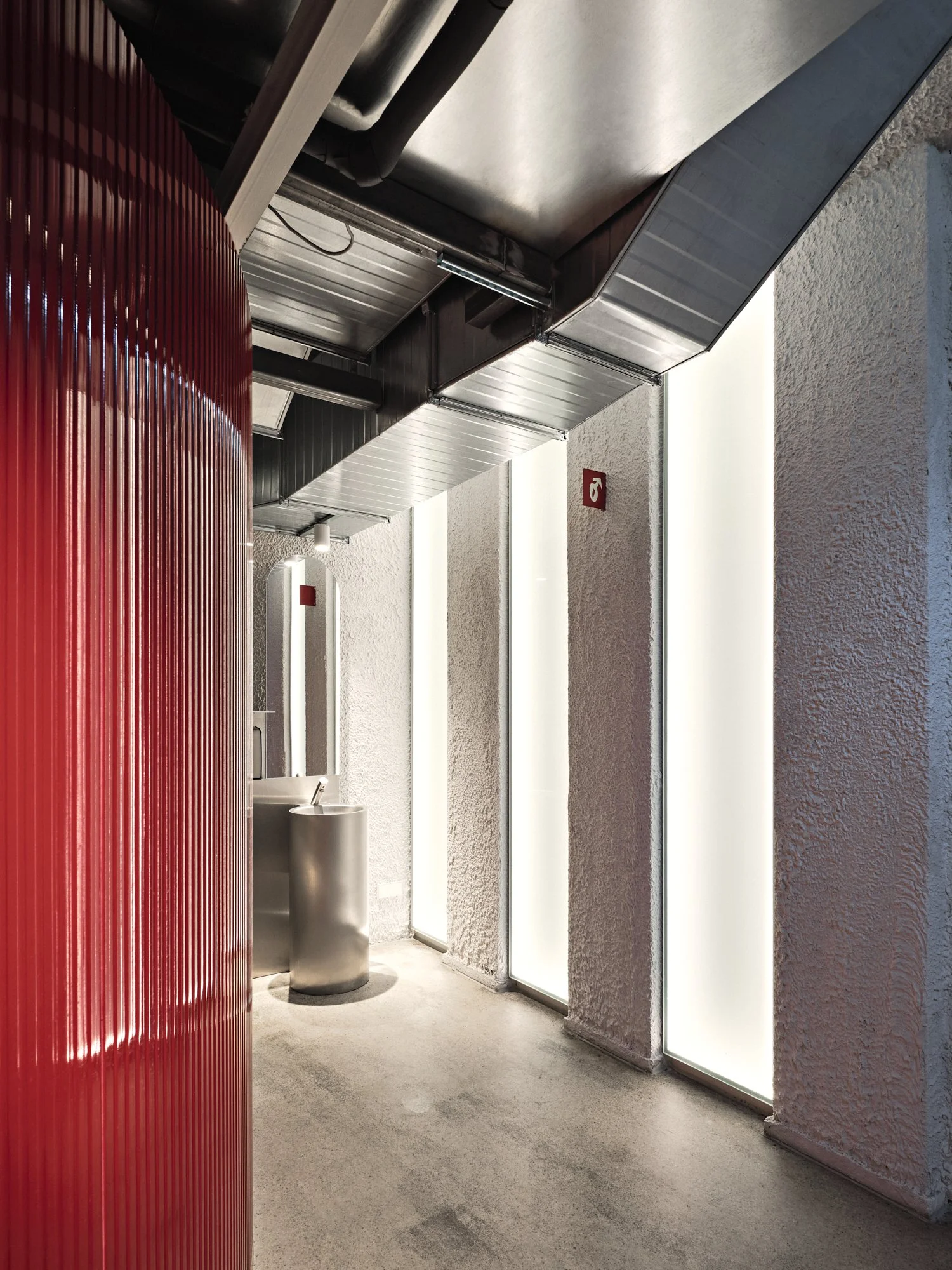
Shiso am Hohe Markt is the second location in Vienna for the storied asian-burger concept that originated in Berlin. Like its forerunner in the 6th district, at a glance the design is characterized by clear spatial geometries and a reduced yet warm material palette that brings to mind both Nordic and Japanese minimalist influences. However, the response to context determined a greater part of the architectural strategy. Whereas the first Shiso had to contend with an almost cubic volume, elevated from the street, and as such was a project about strategic packing, the second iteration on the Hohe Markt had to both respond to its presence on a major plaza in the city center and relate to a long, narrow, and cavernous space that penetrates deep into the block. Formerly a stationary shop that went from one end of the Hohe Markt, through the block, and emerged again at the Landskrongasse, the space would now be home to two gastronomy concepts that meet in the middle. In an attempt to tame the depth of the room, it became immediately clear that the seating elements, the bar, and the kitchen had to act as spatial markers along the long grain of the space. An extended wooden colonnade with seating niches composed of leather banquettes and table tops made from recycled plastic connects the entrance to the deepest point in the space. Custom made light fixtures that give the appearance of graphic, linear elements, reinforce the repetitive rhythm of the wooden colonnade and provide the armature for a light installation of colorful orbs projected on the blank walls inside every niche. The rhythmic logic established by the seating niches extends to a set of benches that demarcate the dining area in the front, bounding the limited free-standing elements of tables and chairs. Running parallel to the colonnade is a long stone bar that provides the necessary hard edge between the kitchen and the main axis of circulation. The kitchen, an open landscape of stainless steel infrastructural elements, is the primary stage of activity. This run of parallel geometries ends at the entrance to the restrooms, which occupy the windowless core of the long space and thus provided us with the possibility to choreograph a sequence of surprises. The first was a shift in materiality and form through the playful layout for the restrooms themselves: rather than subdivide the space into rational stalls, a central cylinder forces a process of discovery that is meant to invite interaction. The second surprise is the fact that the restroom is shared with another, wholly different space, the Lido bar. The restrooms function as an interface between two, completely different atmospheric worlds. It was also critical for us to make a strong gesture of openness to the plaza as a way to pull the pedestrian energy into the room. The material identity of the interior is reproduced in the facade through wood-framed glass pivot doors that swing to open the space to the street, like sluice gates in a river.