

LIDO
September 2025
Location: Vienna, Austria
Principal use: Bar
Total floor area: 70 m2
Number of stories: 1
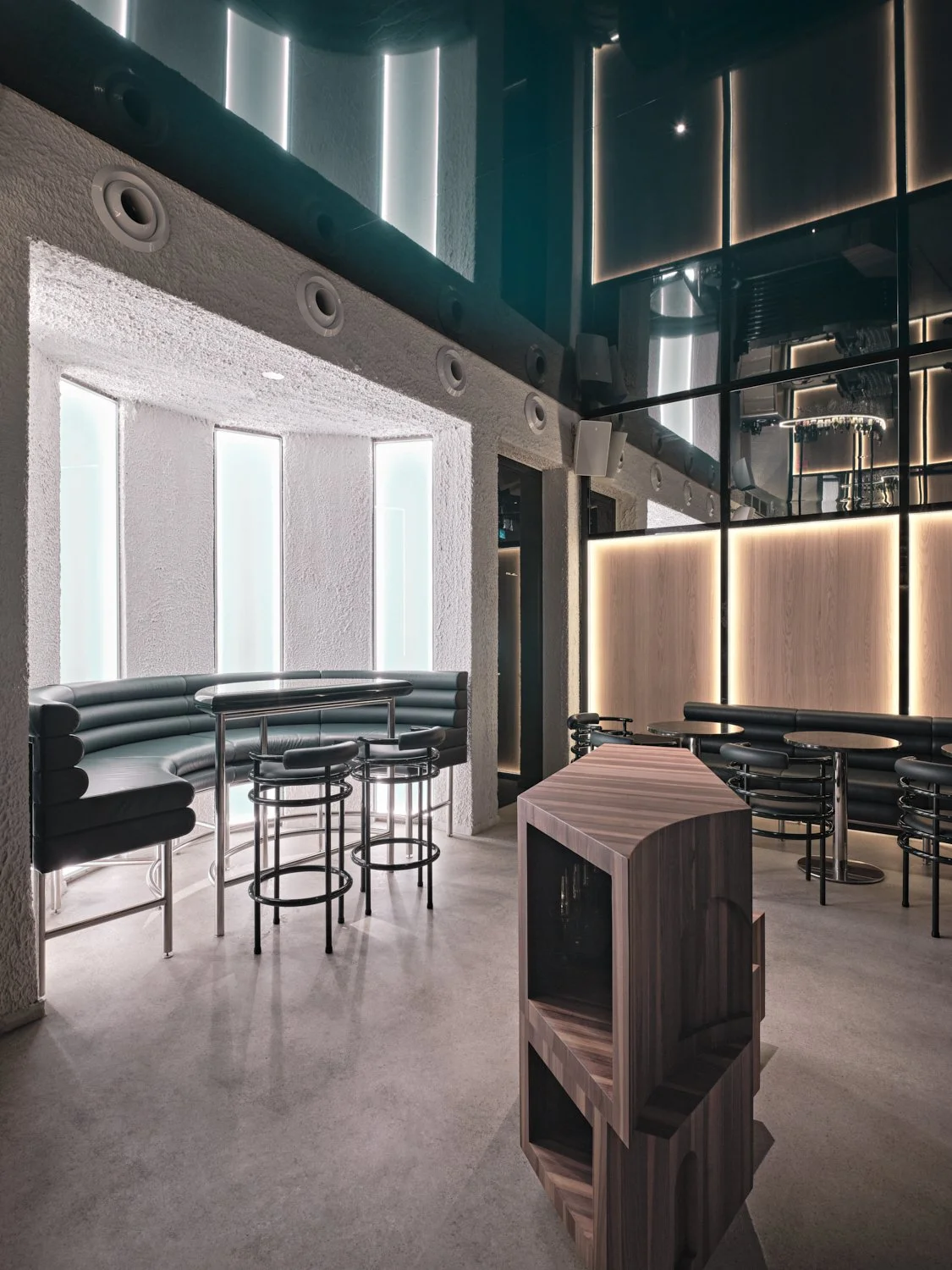
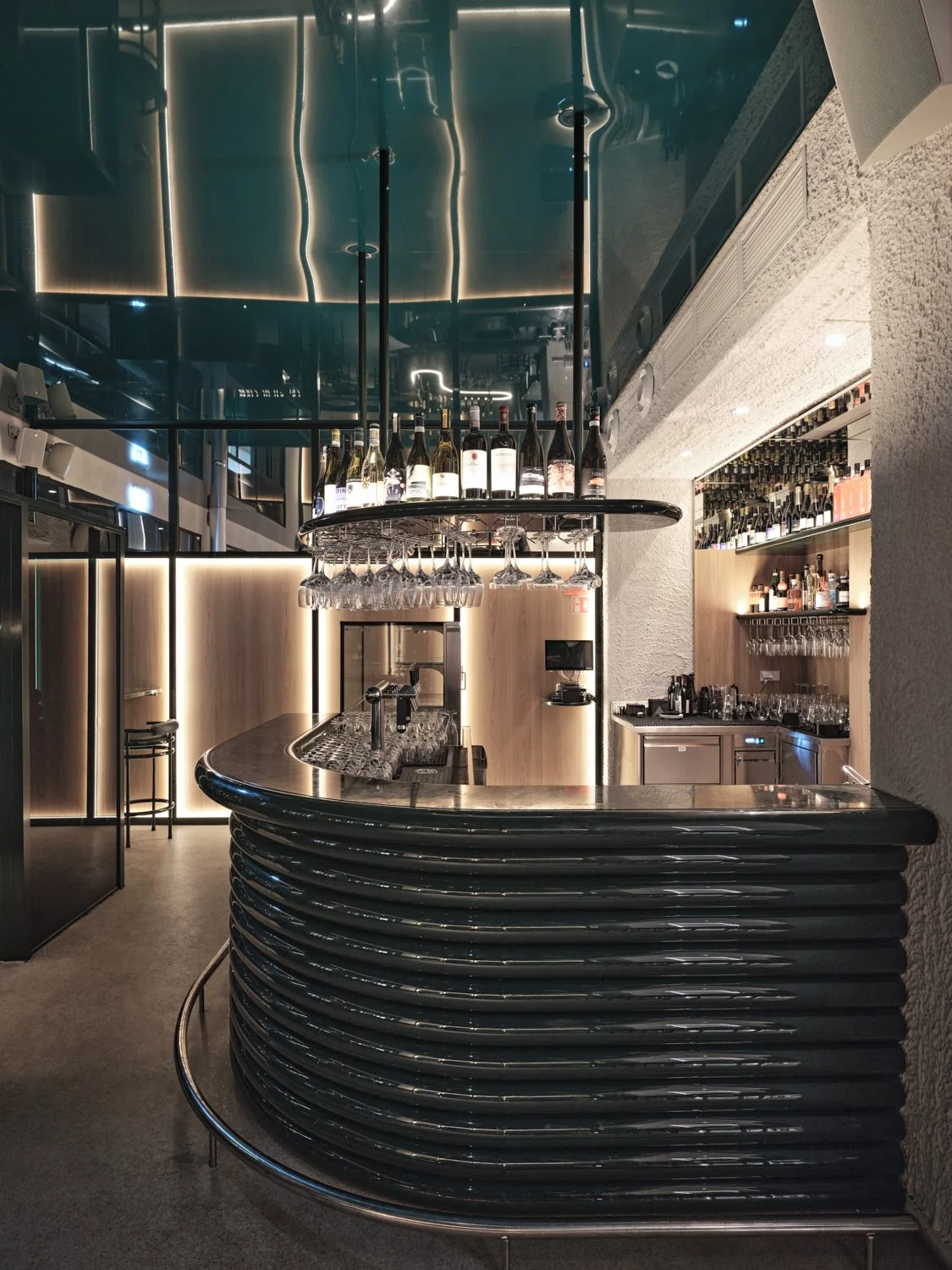
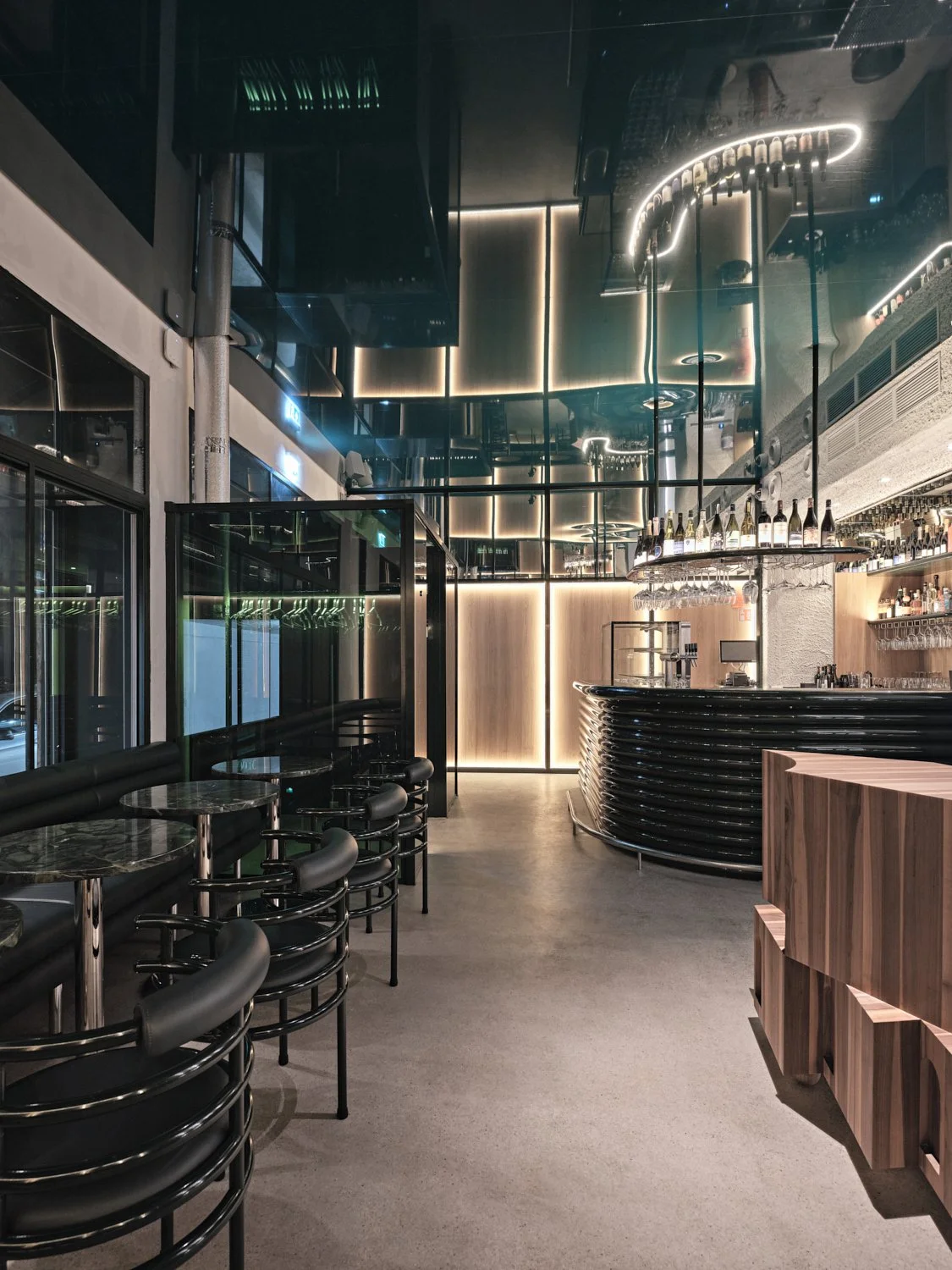
Venice as an atmospheric presence is referenced through maritime gestures that bring to mind the wooden finishes of Riva runabouts jetting along the canals, and, naturally, the murky, deep green surface of the lagoon itself.




Design team:
Chieh-shu Tzou
Gregorio S. Lubroth
Menal Batti
Paul Berke
Liliane Herberth
Ondřej Mráz
Leaksmyvattey Sous
Christina Srienz
Photos:
Vilma Pflaum
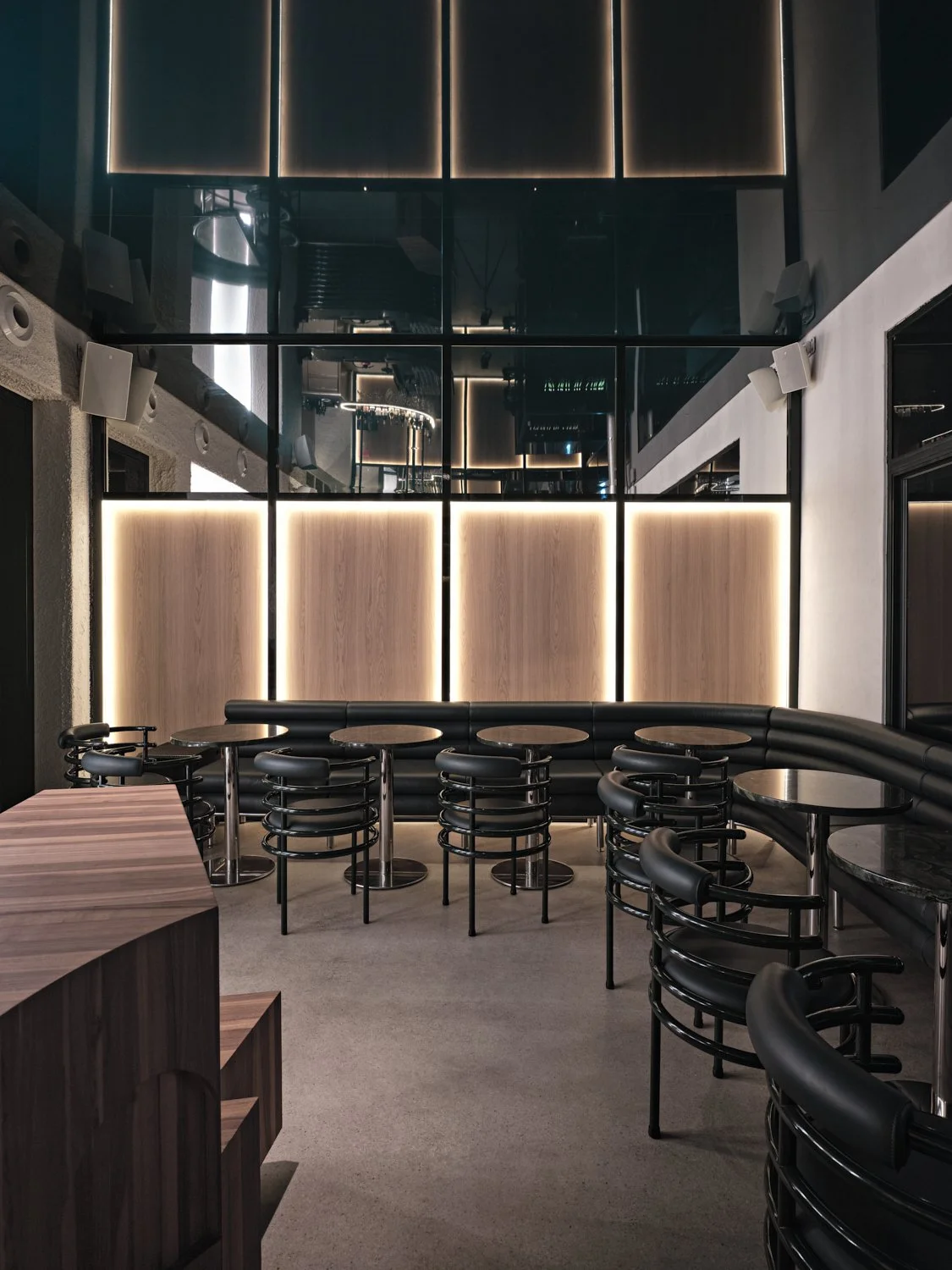
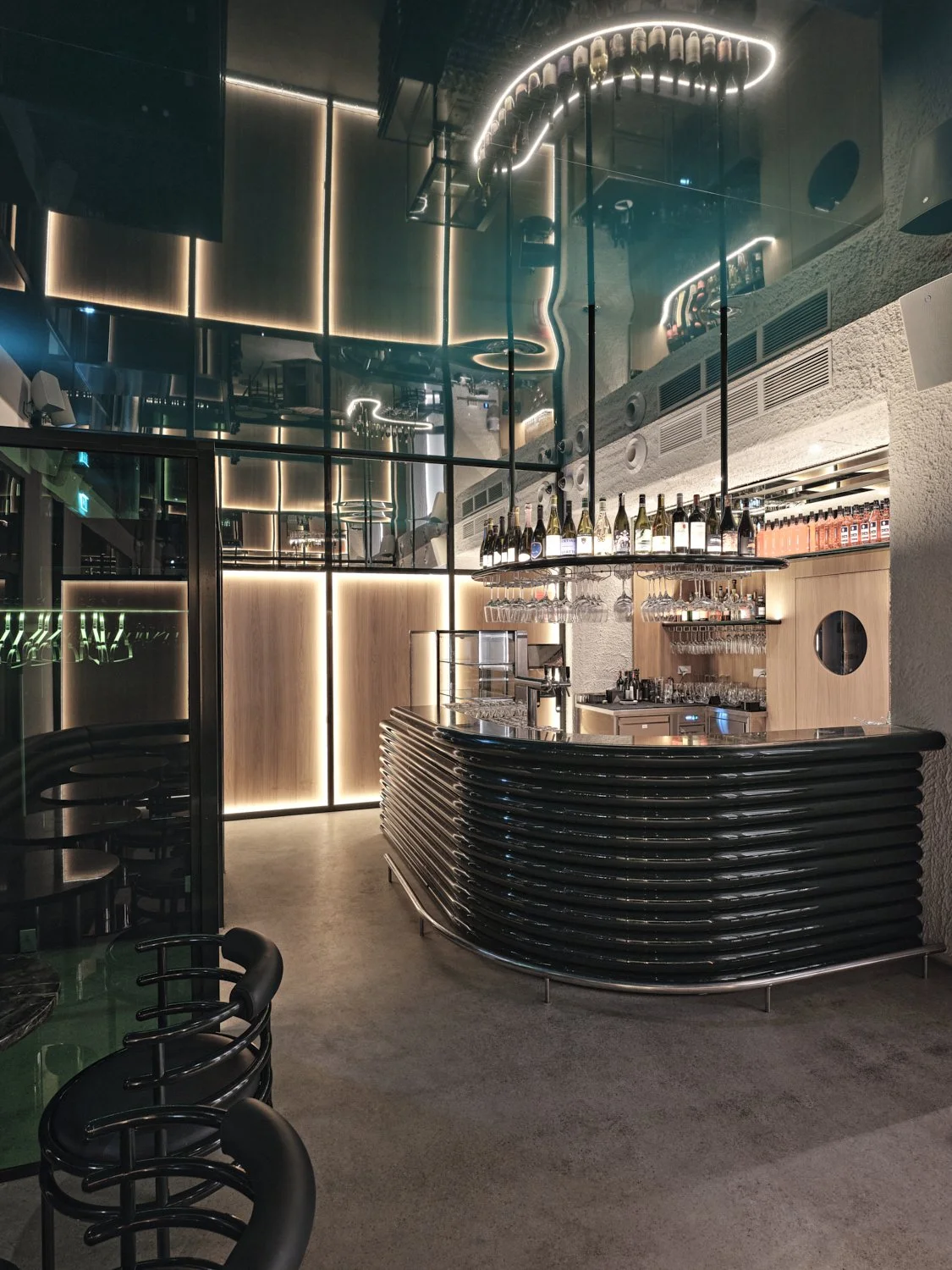
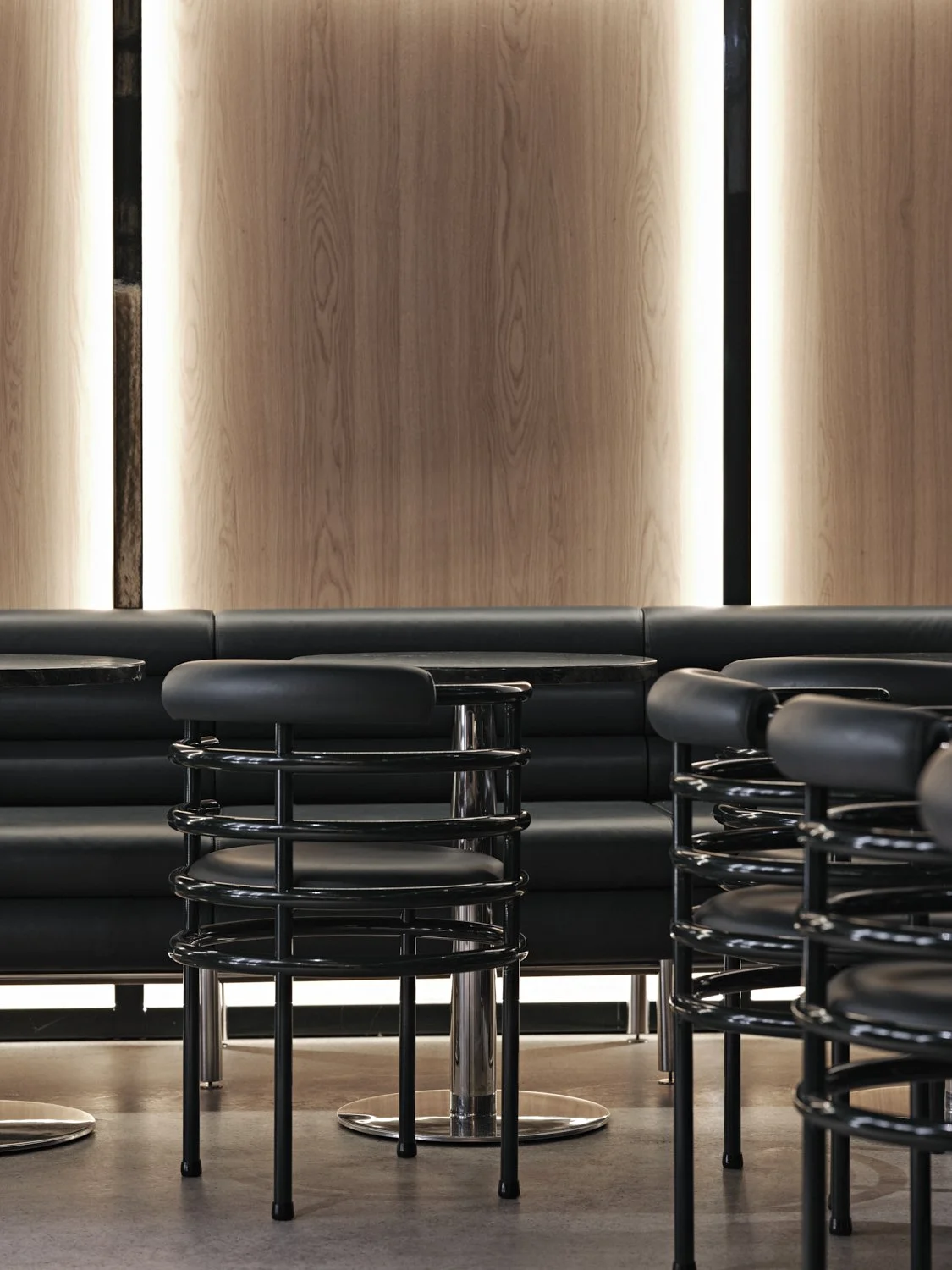
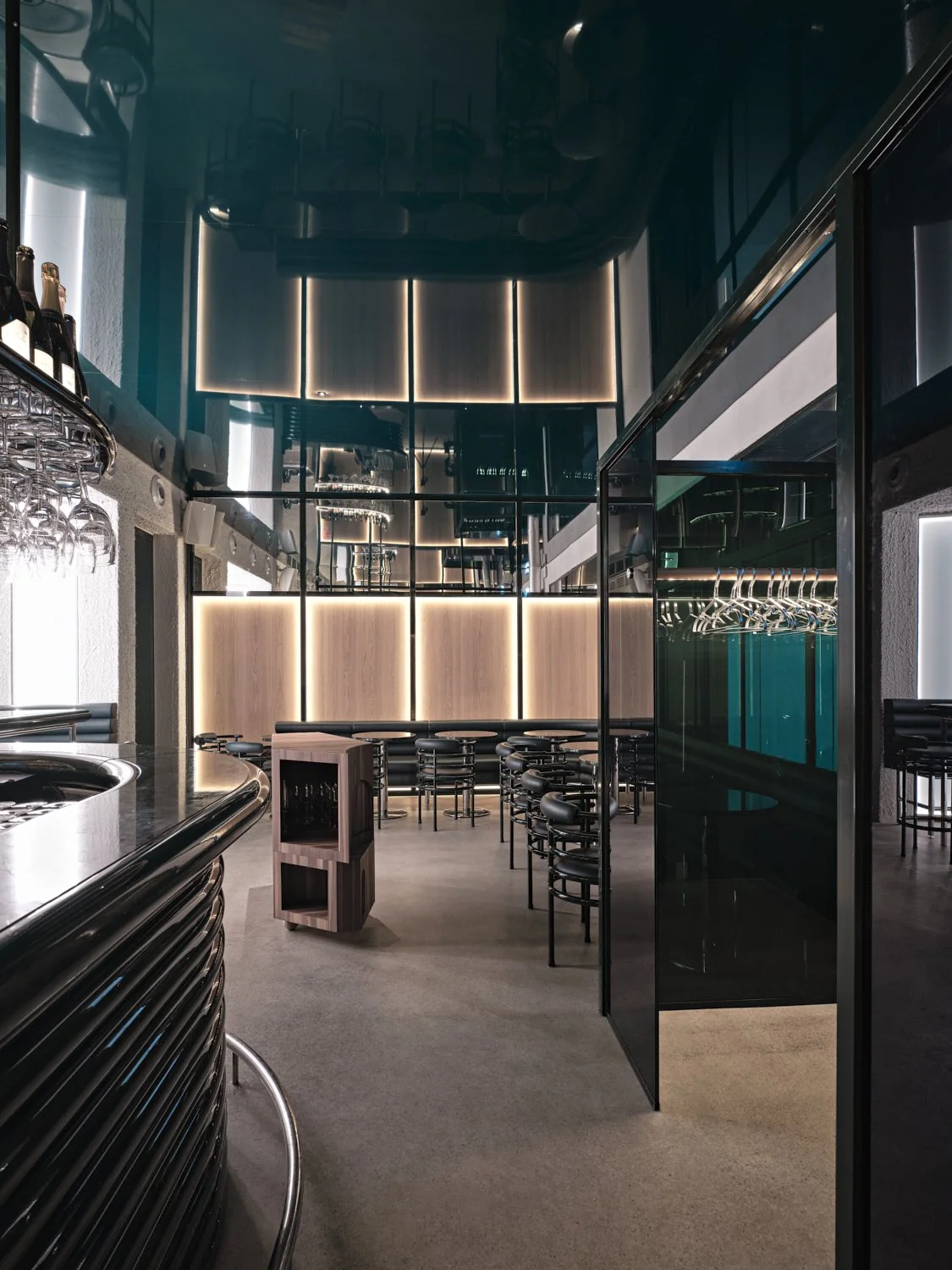
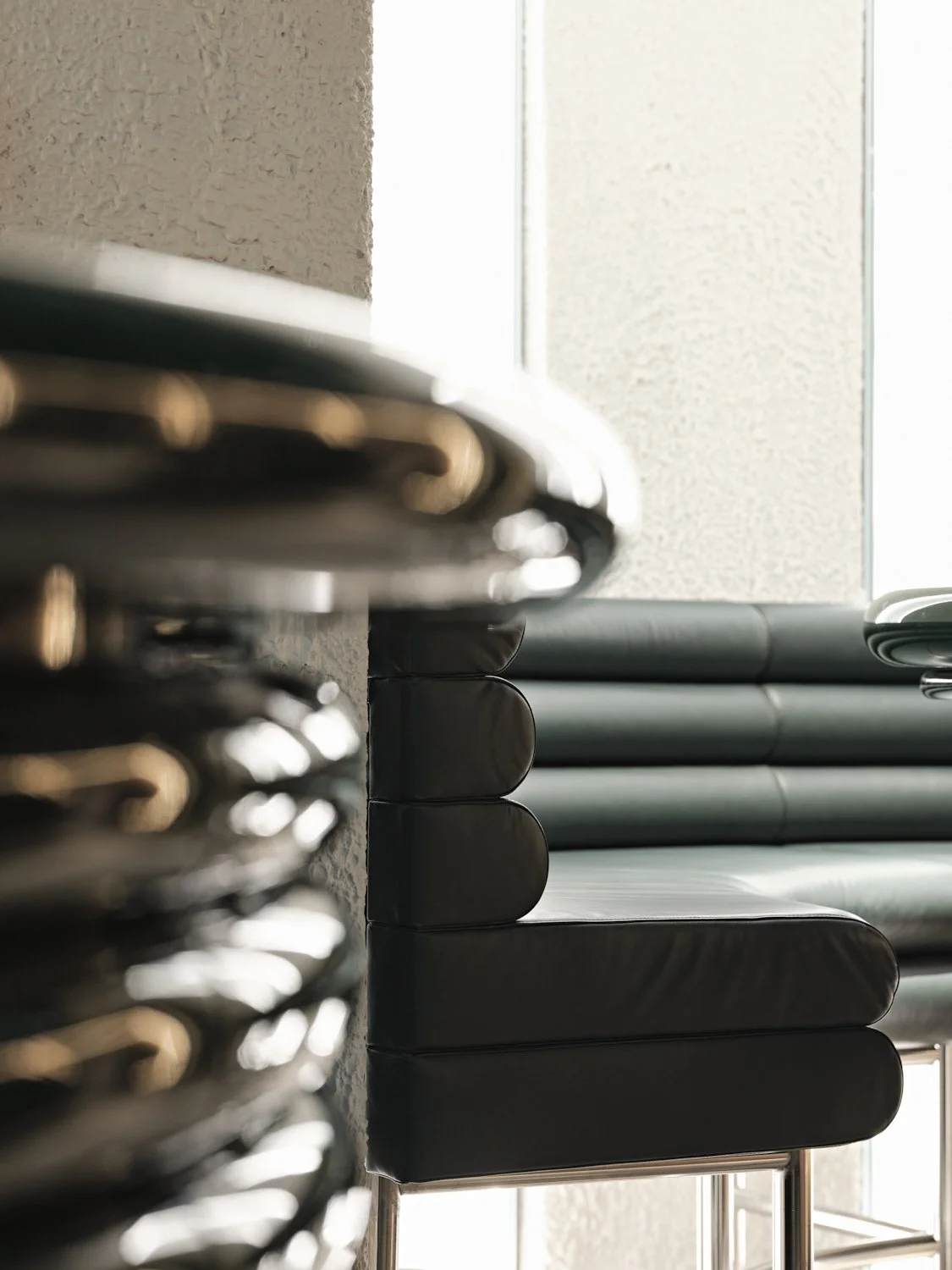
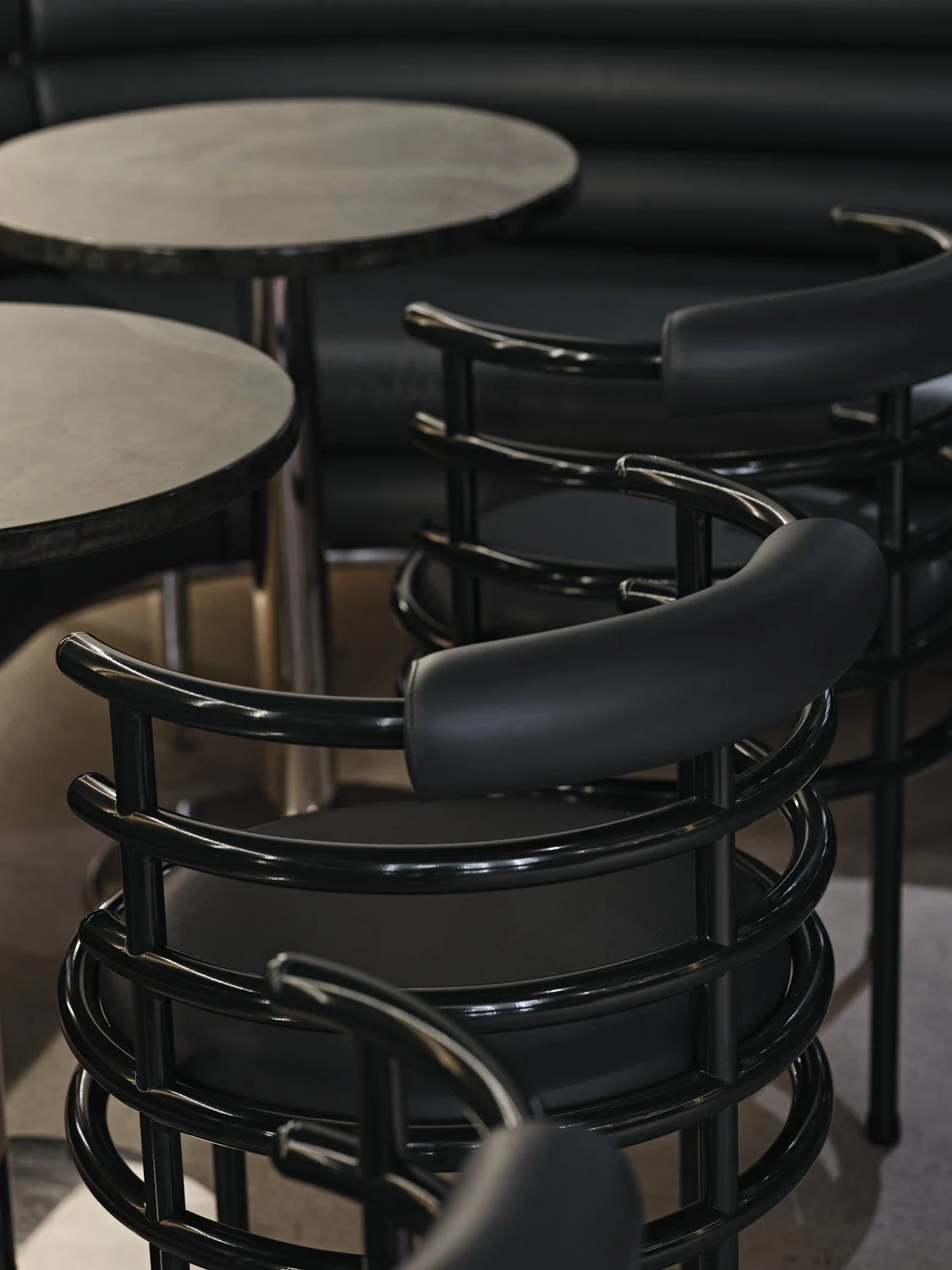
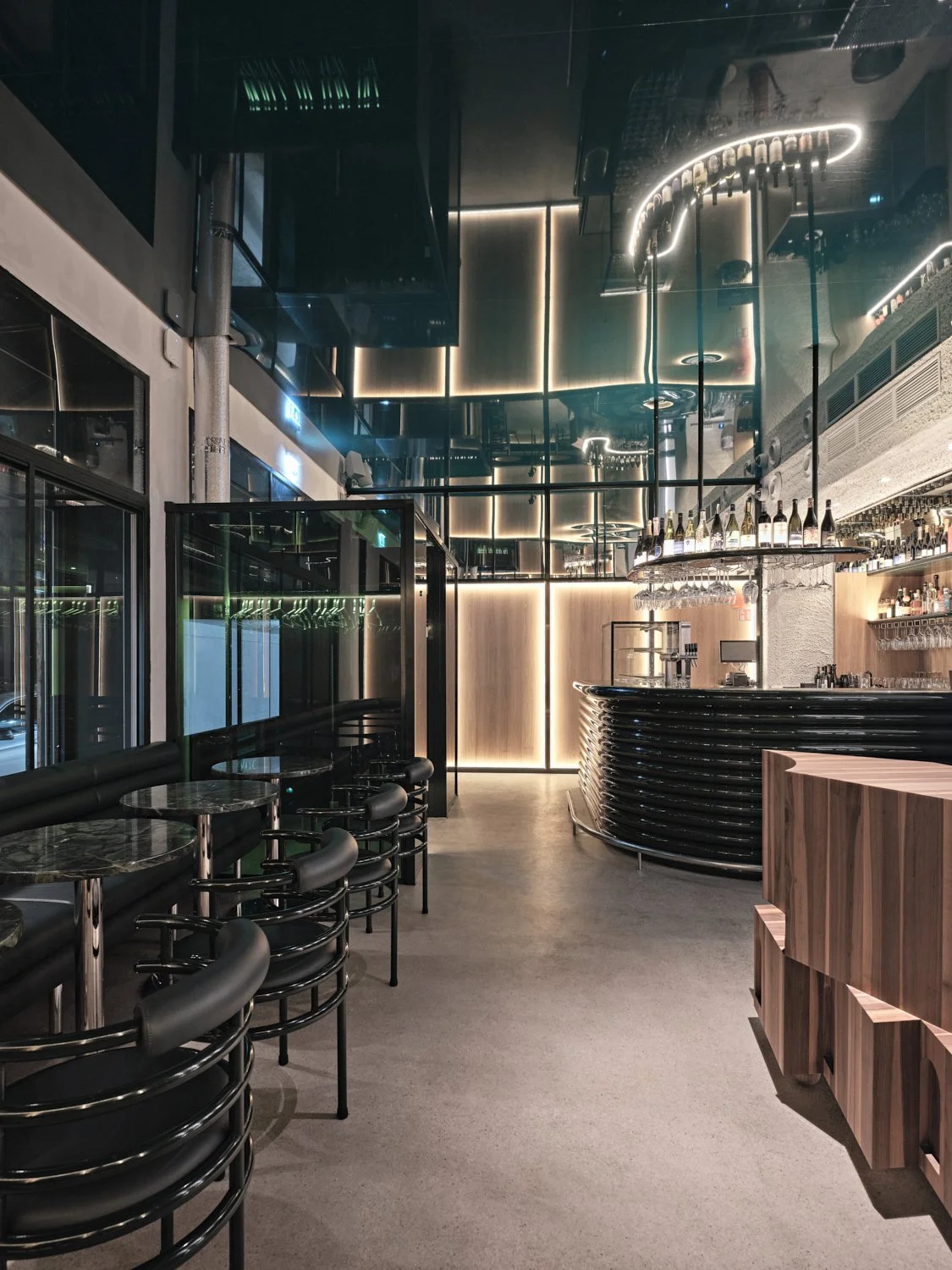
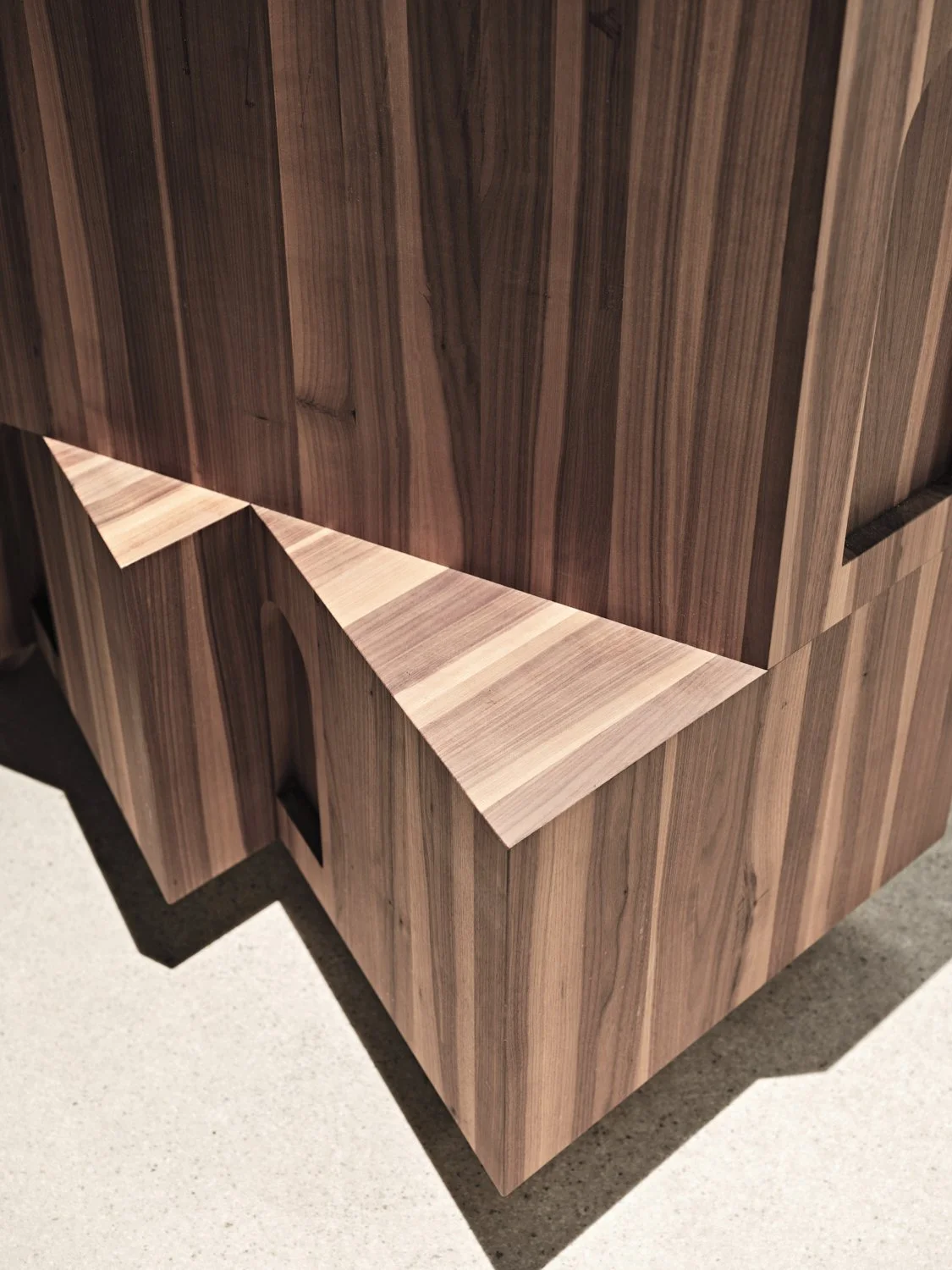
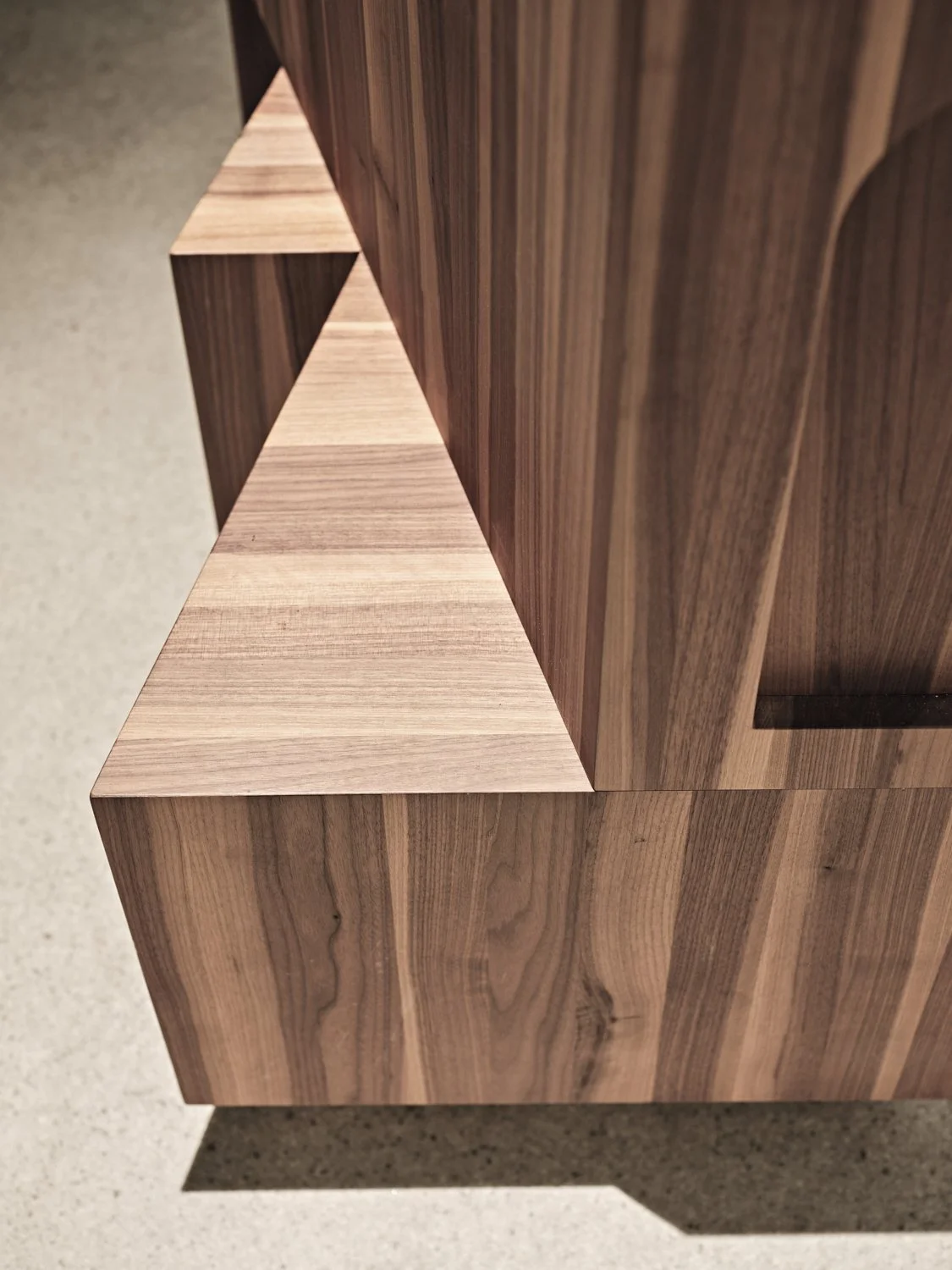
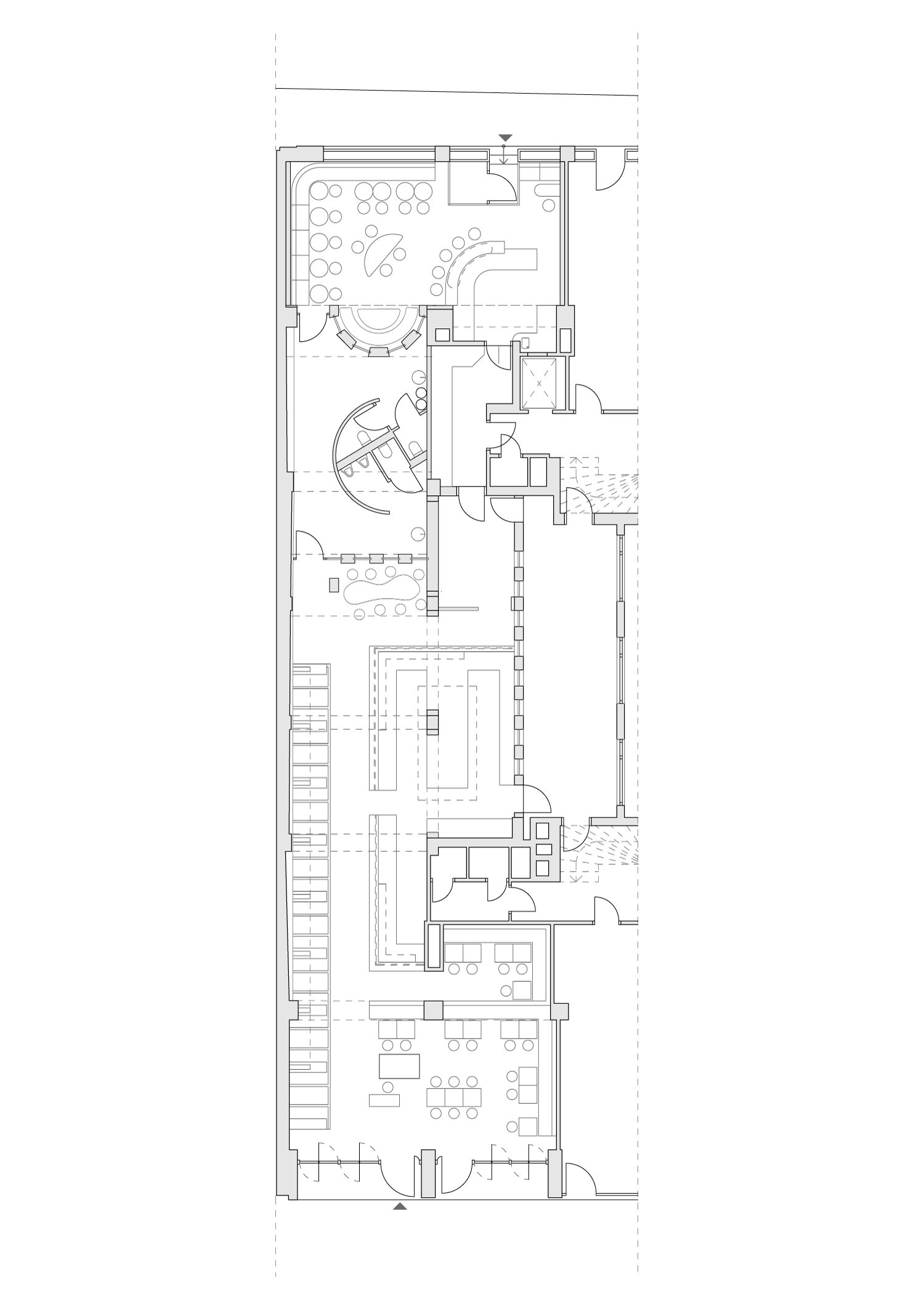
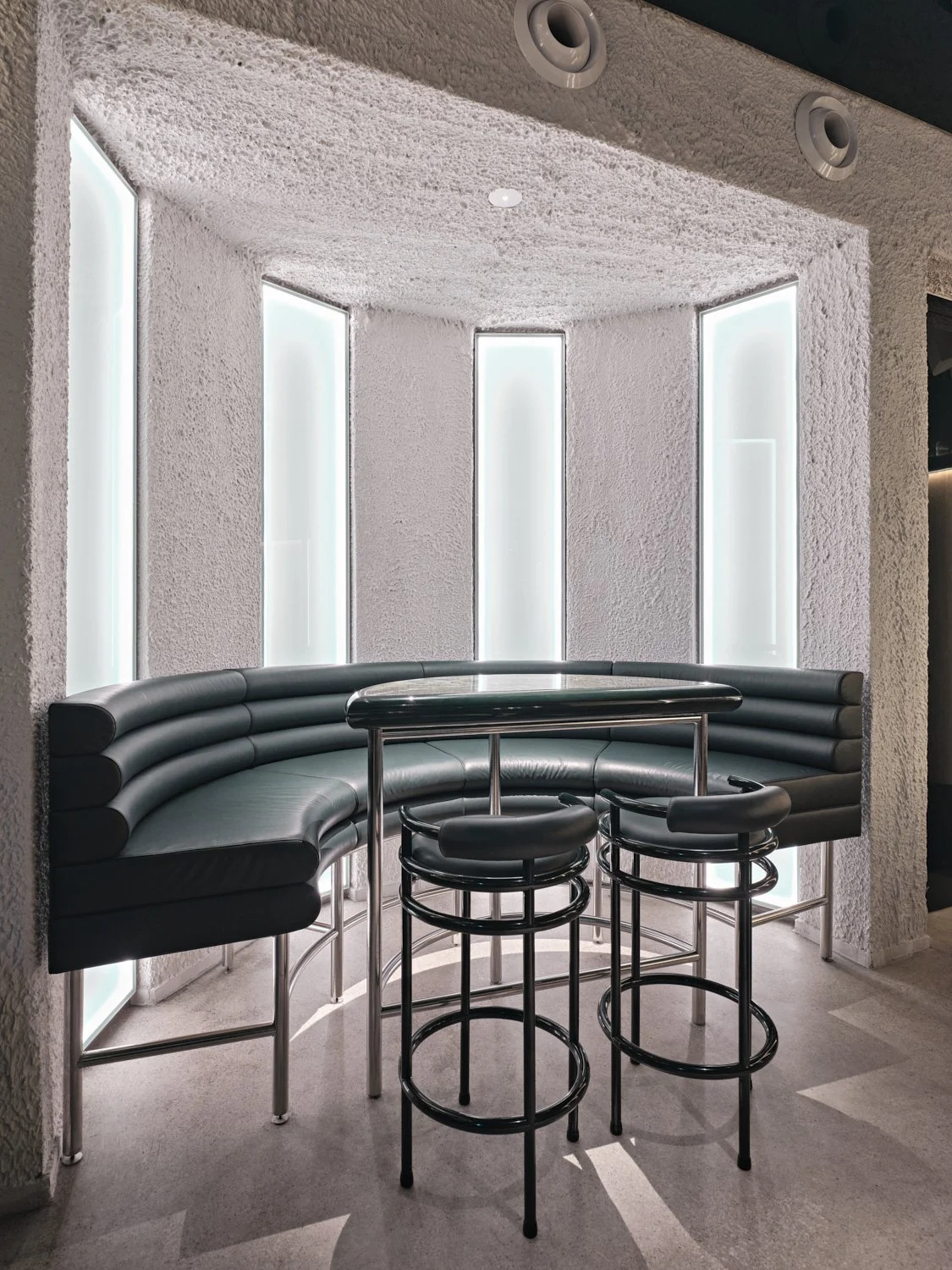
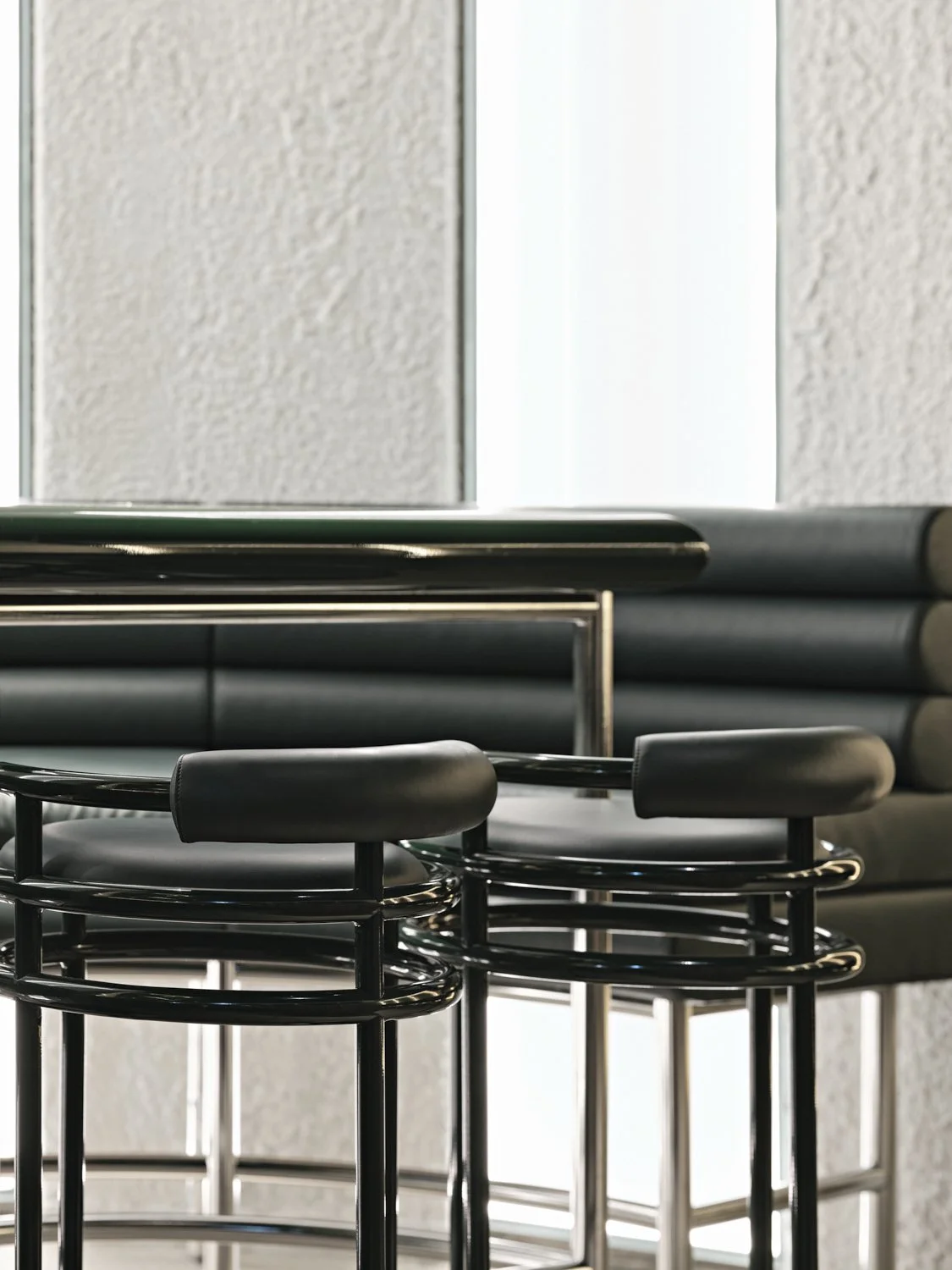
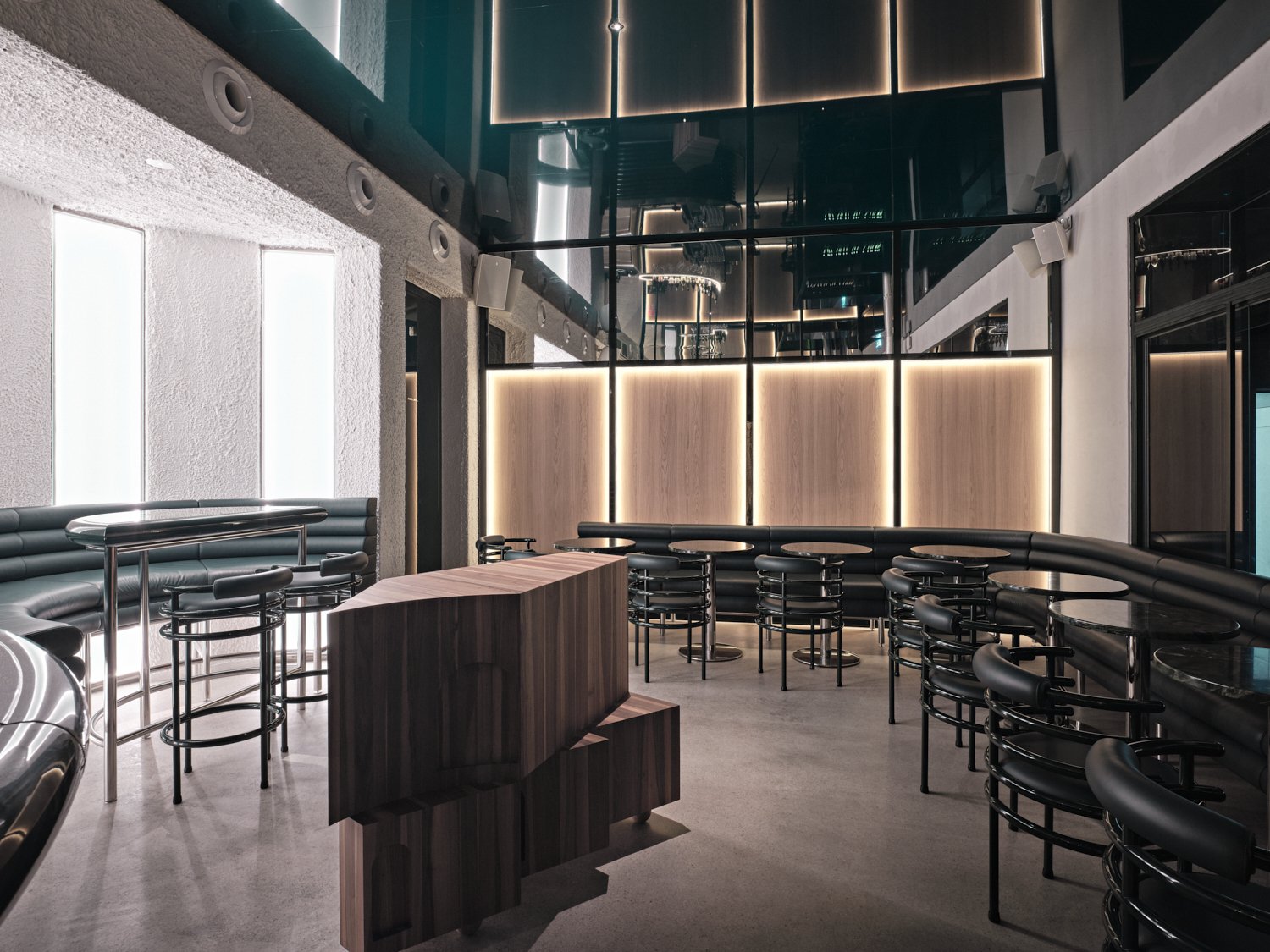
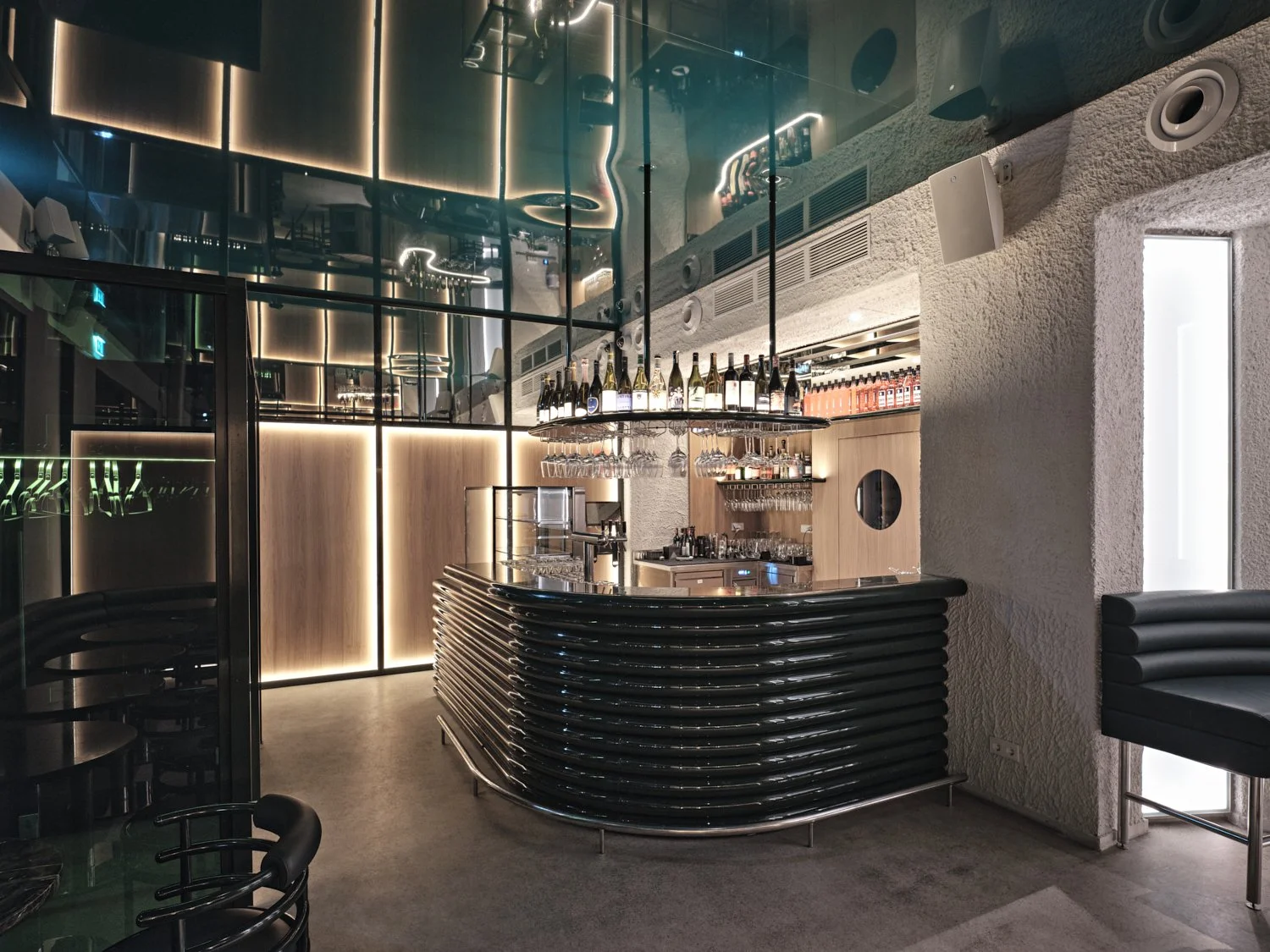
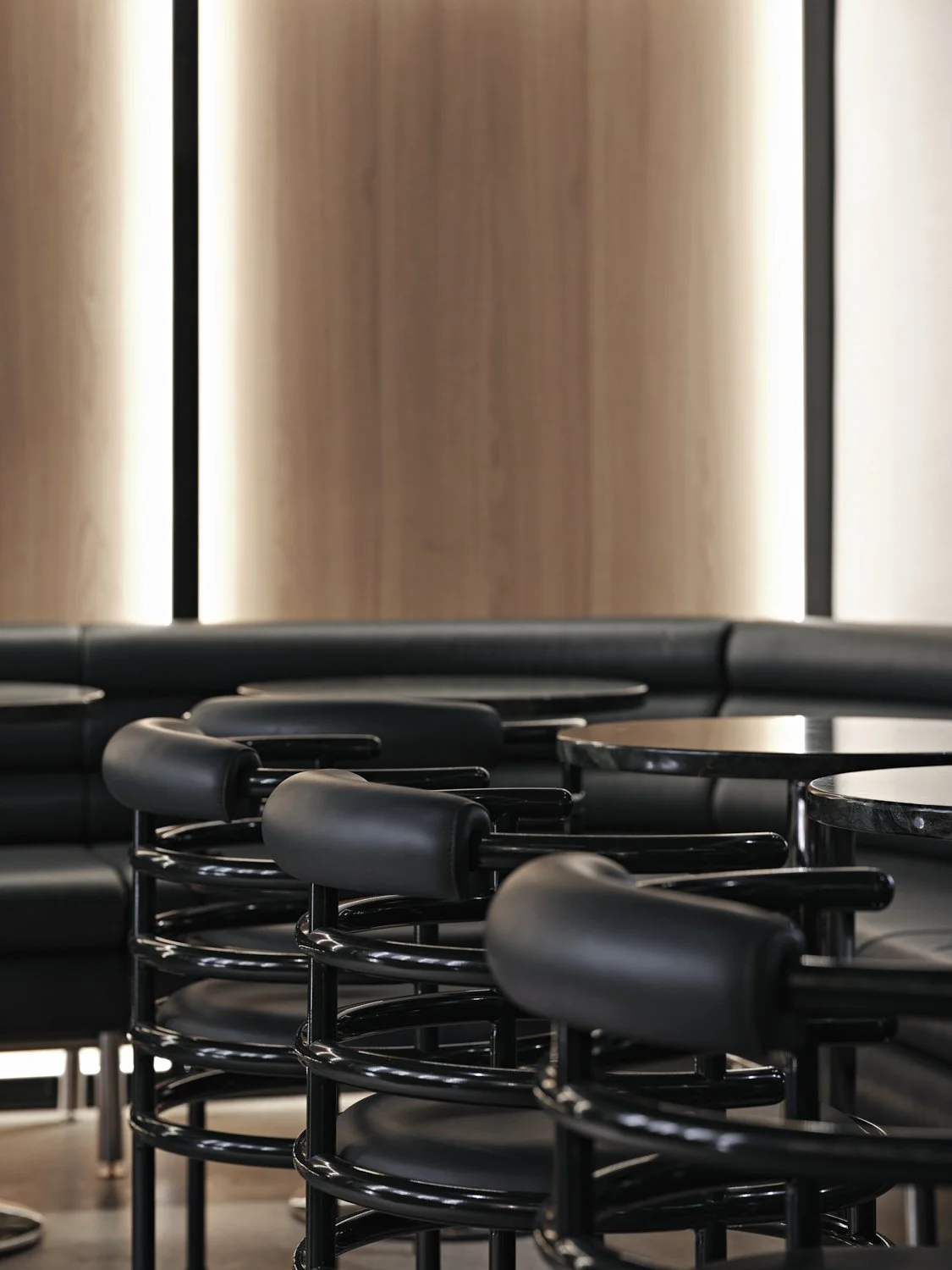
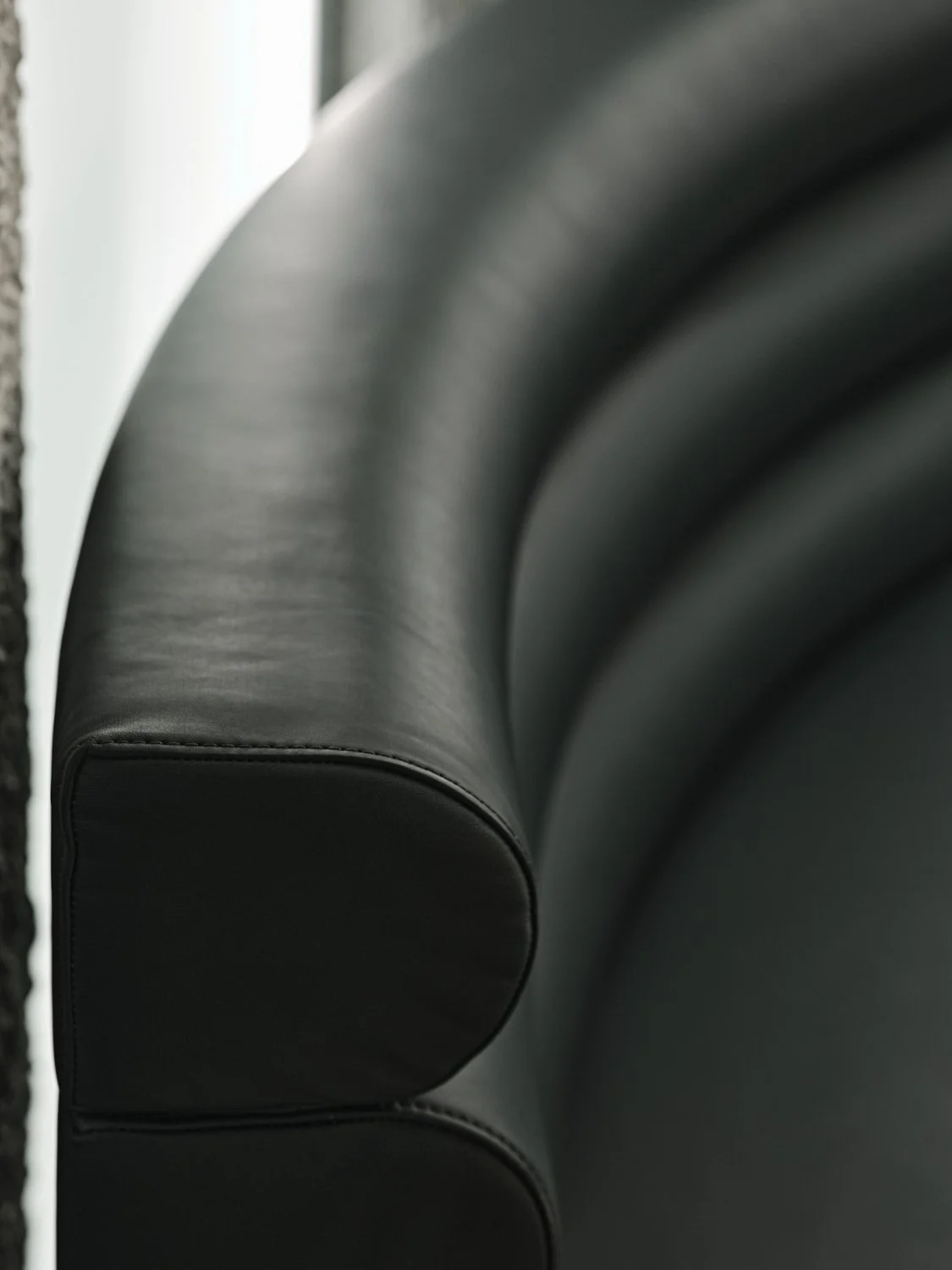
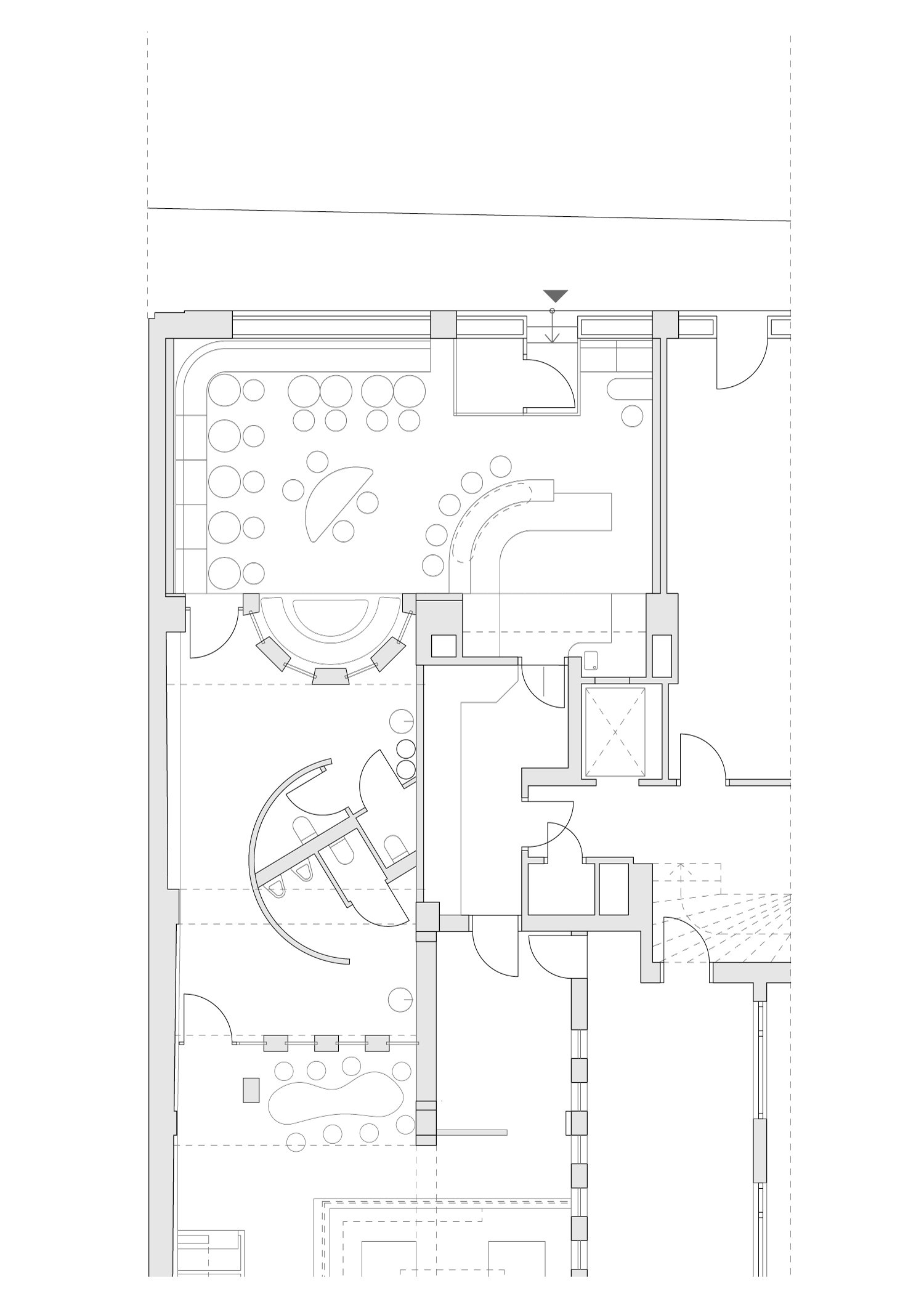
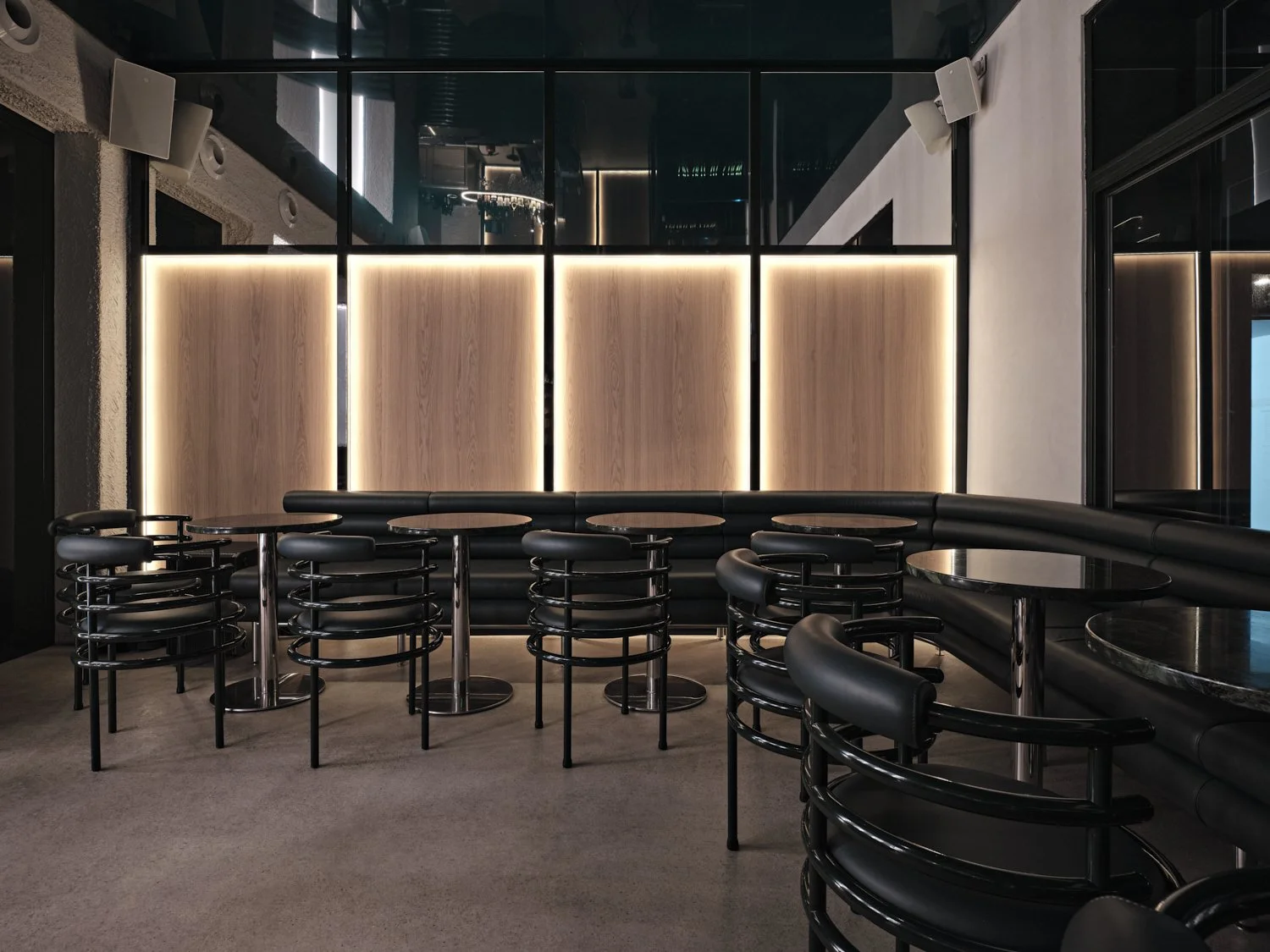
Designing a space in one locality that is supposed to directly reference a type of space from another, not one in particular, but an amalgam of many that add up to an atmospheric idea, and yet still retain a specific identity and a fidelity to context is a tricky thing to pull off. For one, it’s easy to fall prey to kitsch, caricature, or stereotype. Lido is a new cicchetteria bar on the Landskrongasse. The design process was an exercise in reinterpreting a well-known Venetian typology in a Viennese context. Lido occupies a small storefront along the street in what was once a large stationary shop that cut through the city block. It is conceived as an aperitivo bar, fitting well with the pedestrian origins of the Venetian precedent. At the same time, it also has to distinguish itself in the local ecology of city-center night life and as such comes into conversation with a parallel tradition of design. Besides the actual gastronomy - the tramezzini, the cicchietti, the prosecco and wine - Venice as an atmospheric presence is referenced through a type of maritime modernism that brings to mind the wooden finishes of Riva runabouts jetting along the canals, and, naturally, the murky, deep green surface of the lagoon itself. But it should also be noted that the design is equally influenced by a rich history of small interior worlds that are particular to a Viennese context, from Adolf Loos’s American Bar to Herman Czech’s Kleines Café. In the space, deep green, reflective surfaces predominate: from the dropped ceiling, a taut membrane spanned and suspended from the walls, to the rounded bar fronts, the steel construction of the facade, and even the tubular frames of the custom designed Lido Chairs and Lido Stools. Complementary color accents continue with the use of moss-hued granite table tops and bar counters, dark green leather upholstery for the chairs and banquettes, and green glass at the entrance. Glossy, back-lighted oak veneer panels subdivide the side walls. A datum of mirrors within the subdivided framework expands the reflectivity of the ceiling horizontally - a clear nod to Loosian space. In contrast to the naval curvature of the bar and seating, as well as the porthole to the kitchen, a singular, sculptural high table made of solid walnut dominates the center of the dining area with angular lines and arched insertions that present a kind of miniaturized architecture, as if implying an idealized external vision for this very interior realm. As with anything, too much of one thing can tip the scales. The floors (concrete screed) and the visible structural walls and beams (white acoustic spray foam) are left as industrial elements to make room for the sculptural family of forms.